
Is Iced decaffeinated tea Halal?
The short answer is: MAYBE. While this iced decaffeinated tea appears to be plant-based on the surface, a closer look at the ingredient label reveals specific additives that require further investigation. The presence of 'natural flavor' and artificial colors are the primary flags that prevent us from giving a definitive 'Yes' without manufacturer confirmation.
The Ingredient Breakdown
When analyzing a product for Halal compliance, we must look beyond the main flavor profile and examine the functional additives. In this specific formulation of iced decaffeinated tea, the decaffeinated instant tea and maltodextrin are generally considered safe. Maltodextrin is a starch derivative, and while it can be derived from wheat, the processing usually removes all gluten and wheat proteins, making it permissible. However, the complexity arises with the flavoring and coloring agents.
The most significant flag in this ingredient list is natural flavor. In the food industry, 'natural flavor' is a broad regulatory term. While it originates from plant or animal sources, it can sometimes contain trace amounts of alcohol as a solvent or be derived from non-Halal sources like vanilla extract (which often uses alcohol) or meat-based flavor enhancers. Without specific disclosure from the manufacturer regarding the source of this flavor, it remains a gray area.
Additionally, the artificial colors—Red 40, Yellow 5, and Blue 1—are synthetically produced. While synthetic dyes are chemically Halal, some strict interpretations of Halal dietary laws reject them due to the potential use of animal testing in their development or the presence of trace impurities. Finally, aspartame and acesulfame potassium are artificial sweeteners that are chemically synthesized and are generally accepted as Halal.
Nutritional Value
From a nutritional standpoint, this iced tea is designed to be a low-calorie beverage. By utilizing artificial sweeteners like aspartame and acesulfame potassium, the product avoids adding sugar, keeping the calorie count near zero. This makes it a viable option for those monitoring their caloric intake or managing blood sugar levels, provided they do not have specific sensitivities to artificial sweeteners.
The inclusion of magnesium oxide serves as a fortifier, potentially aiding in mineral intake, though the amount is likely negligible regarding daily requirements. The product contains no fat and negligible carbohydrates from the tea solids themselves. However, consumers should be aware that the 'natural flavor' may sometimes carry trace sugars, though usually not enough to impact the nutritional label significantly. It fits well within the limits of a diet focused on weight management, but the chemical additives make it less ideal for those seeking a 'clean' label.
Frequently Asked Questions
Does Iced decaffeinated tea contain dairy or gluten?
Is Iced decaffeinated tea good for weight loss?
Where can I buy Iced decaffeinated tea?
Is Iced decaffeinated tea safe for kids?

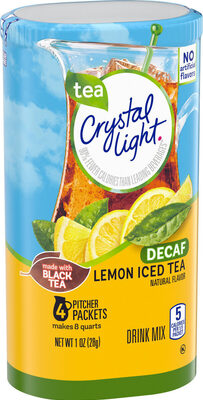
Iced decaffeinated tea
Halal Analysis
We recommend searching for certified Halal alternatives.
Pro Tip
Always double-check the label. Manufacturers change ingredients frequently without notice!