
Is Japanese Barbecue Sauce Halal?
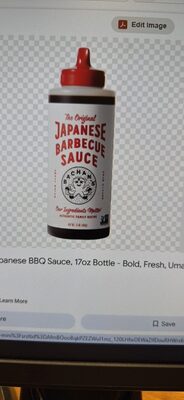
Yes, Japanese Barbecue Sauce is generally considered Halal. Based on a detailed analysis of the ingredient list, this sauce relies on plant-based components like soy, garlic, ginger, and cane sugar, with no alcohol or animal by-products detected. It is a safe and flavorful choice for those adhering to Halal dietary guidelines.
The Ingredient Breakdown
When determining if a sauce is Halal, the primary concerns are alcohol and hidden animal derivatives. Let's look at the specific components of this Japanese Barbecue Sauce to understand why it passes the test.
The base of the sauce is Non-GMO Soy Sauce. Traditional soy sauce is naturally Halal as it is fermented from soybeans, wheat, and salt. However, some mass-produced soy sauces use alcohol as a preservative or flavor enhancer. The fact that this specific product lists water, soybeans, wheat, and salt—and no added alcohol—makes it permissible.
A common point of confusion is Mirin. Mirin is a sweet rice wine essential to Japanese cooking. While many mirin products on the shelf are alcoholic, this sauce uses a culinary mirin that has been cooked down or formulated to remove the alcohol content, leaving only the sweet, umami flavor. Since the alcohol is cooked off or absent, it remains Halal.
Finally, the savory notes come from Tomato Paste, Organic Ginger, Organic Garlic, and Green Onion. These are all vegetables and aromatics, which are inherently Halal. The sweetness comes from Cane Sugar, which is plant-derived. There are no animal-based thickeners or flavorings like gelatin or lard often found in other BBQ sauces.
Nutritional Value
While this sauce is Halal, it is also important to consider its nutritional profile. Like most condiments, it is designed to be a flavor booster rather than a main food group. The primary ingredients contributing to its calorie count are Cane Sugar and Organic Toasted Sesame Oil.
The sugar content provides the signature sticky glaze associated with Japanese BBQ (Yakiniku), but it also means the sauce is high in carbohydrates. The sesame oil adds healthy fats but also increases the caloric density. For those monitoring their sugar intake, this sauce should be used in moderation, perhaps as a finishing glaze rather than a heavy marinade. It fits well into a balanced diet when used to enhance vegetables or lean proteins.
Frequently Asked Questions
Does Japanese Barbecue Sauce contain dairy or gluten?
Is Japanese Barbecue Sauce good for weight loss?
Where can I buy Japanese Barbecue Sauce?
Is Japanese Barbecue Sauce safe for kids?

Pro Tip
Always double-check the label. Manufacturers change ingredients frequently without notice!