
Is Japanese Kimchi Gluten Free?
The short answer is MAYBE. While this Japanese-style kimchi is packed with fermented vegetables and probiotics, it contains specific ingredients that usually include gluten. If you have Celiac disease or a severe gluten intolerance, this specific product is likely not safe for you due to the soy sauce and miso used in the brine.
The Ingredient Breakdown
When analyzing this specific Japanese Kimchi recipe, we have to look beyond the standard napa cabbage and radish. The gluten-free status hinges entirely on the fermented condiments used to create that signature umami flavor.
The primary red flag here is the tamari soy sauce. While tamari is often marketed as a gluten-free alternative to standard soy sauce (which contains wheat), this is not always the case. Many commercial tamari brands still use wheat as a secondary ingredient or are produced in facilities that handle wheat, leading to cross-contamination. Unless the bottle explicitly states '100% Gluten-Free Tamari,' it is a risk.
Additionally, the recipe includes red miso. Miso is a traditional Japanese paste made from fermented soybeans and rice. Traditional miso fermentation almost always incorporates barley (mugi) or wheat. Even if the base is rice, the fermentation process and manufacturing equipment often introduce gluten. Because the ingredient list does not specify a gluten-free certification for the miso, we must assume it contains gluten.
Fortunately, the rest of the ingredients are naturally safe. Napa cabbage, daikon radish, carrots, ginger, garlic, and chili pepper are all naturally gluten-free. The inclusion of horseradish root and orange peel adds a unique, spicy, and aromatic profile typical of Japanese variations, distinguishing it from the saltier Korean versions. However, the soy sauce and miso are the dealbreakers here.
Nutritional Value
Despite the gluten concerns, this Japanese Kimchi remains a nutritionally dense food. It is exceptionally low in calories, making it an excellent condiment for those monitoring their caloric intake. A serving typically contains fewer than 20 calories, primarily derived from the natural sugars in the cabbage and carrots.
The fat content is negligible, which is standard for vegetable-based ferments. However, the sodium content is the main nutritional watch-out. Between the sea salt, soy sauce, and miso, the sodium levels can be high. While sodium is necessary for the fermentation process and flavor, those on low-sodium diets should consume this in moderation. On the positive side, it provides a good source of fiber and Vitamin C from the fresh vegetables, supporting digestive health and immune function.
Frequently Asked Questions
Does Japanese Kimchi contain dairy or gluten?
Is Japanese Kimchi good for weight loss?
Where can I buy Japanese Kimchi?
Is Japanese Kimchi safe for kids?
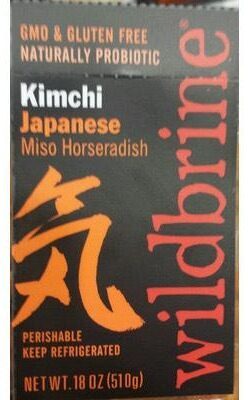
Japanese Kimchi
Gluten Free Analysis
We recommend searching for certified Gluten Free alternatives.
Pro Tip
Always double-check the label. Manufacturers change ingredients frequently without notice!