
Is Jelly Gluten-Free? A Food Scientist's Deep Dive
Yes, jelly is generally gluten-free. Based on a detailed analysis of standard ingredients like Concord grape juice, corn syrup, and pectin, we found no gluten-containing grains or additives. While it is safe for those with Celiac disease, the high sugar content warrants attention for anyone monitoring their caloric intake.
The Ingredient Breakdown
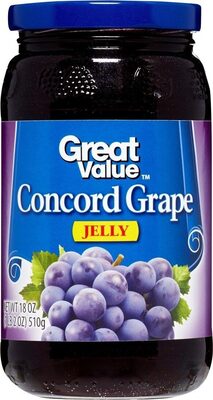
When investigating whether a spread is safe for a gluten-free diet, we look for the presence of wheat, barley, rye, or their derivatives. In the case of this specific jelly, the ingredient list is composed of fruit derivatives, sweeteners, and gelling agents that are naturally free of gluten.
The primary ingredient is Concord grape juice (water and concentrate). Fruit juices are inherently gluten-free, provided they haven't been processed on equipment shared with gluten-containing products, which is rare in standard jelly production. The sweeteners listed are corn syrup and high fructose corn syrup. Both are derived from corn, a gluten-free grain, making them safe for celiacs.
The functional ingredients are equally safe. Pectin is a plant-based starch found in fruit skins, used to create the gel texture without needing wheat-based thickeners. Finally, citric acid and sodium citrate are used for acidity and flavor stabilization; these are synthesized from fungal fermentation or mineral sources and contain no gluten.
Nutritional Value
While the gluten-free verdict is positive, the nutritional profile of jelly is dominated by sugar. Looking at the specific ingredients, the combination of corn syrup and high fructose corn syrup places this product high on the glycemic index. It provides a quick burst of energy but offers little in terms of vitamins, minerals, or fiber.
For those on a diet, jelly should be treated as a condiment rather than a food group. A standard serving size (one tablespoon) typically contains between 50 and 60 calories, almost entirely from carbohydrates. It fits into a balanced diet only in strict moderation, as the lack of protein and fat means it does not contribute to satiety (the feeling of fullness).
Frequently Asked Questions
Does Jelly contain dairy or gluten?
Is Jelly good for weight loss?
Where can I buy Jelly?
Is Jelly safe for kids?
Pro Tip
Always double-check the label. Manufacturers change ingredients frequently without notice!