
Is Jja-jang Noodle Bowl Halal?
Based on a detailed analysis of the ingredient list, the answer is NO, the Jja-jang Noodle Bowl is not considered Halal. While it avoids obvious pork derivatives, the presence of alcohol in the fried tofu processing and specific seafood extracts creates a compliance issue for strict Halal diets.
The Ingredient Breakdown
As a food scientist, I look beyond the marketing claims and dive straight into the formulation code. When we analyze the Jja-jang Noodle Bowl, we aren't just looking for pork; we are looking for alcohol, cross-contamination, and non-compliant animal sources. Here is why this specific product fails the Halal test.
The primary offender is hidden within the Fried Tofu component. The ingredient list specifies a 'Mixed Formulation' that includes Emulsified Oil and Tea Catechin, but critically, it lists Ethyl Alcohol. In food processing, ethyl alcohol is often used as a solvent for extracts or a carrier for flavorings. Even if the alcohol evaporates during cooking, the Hanafi school of thought—which is the standard for many Halal certifying bodies—often prohibits the consumption of alcohol regardless of its state, making this a definitive red flag.
Furthermore, the sauce contains a Mixed Extract listing both Oyster Extract and Tuna Extract. While seafood is generally considered Halal, mixed extracts in industrial manufacturing often undergo processing that may involve alcohol as a solvent. Additionally, the Soybean Paste lists Caramel Color. While usually Halal, in mass-produced instant noodles, caramel color is sometimes processed using activated carbon derived from coconut shells or, historically, bone char, though this is less common in Asian markets. However, combined with the explicit alcohol ingredient, the risk is too high.
Finally, the Wheat Flour and Gluten indicate the presence of gluten, which is not a Halal issue but is relevant for those with sensitivities. The presence of Monosodium Glutamate (MSG) and Disodium 5'-Ribonucleotides confirms this is a highly processed, umami-heavy product, but these flavor enhancers are chemically synthesized and generally considered Halal.
Nutritional Value
From a nutritional standpoint, the Jja-jang Noodle Bowl is a classic example of a high-calorie, low-nutrient convenience food. The base noodles are made from Wheat Flour and Tapioca Starch, which are refined carbohydrates that digest quickly and can spike blood sugar levels. The caloric density is driven significantly by the Corn Oil and Soybean Oil used in the noodles and the fried tofu.
The sauce packet is where the sugar content hides. Ingredients like Corn Syrup and Sugar contribute to the sweet, savory profile of Jja-jang sauce, but they also add empty calories. For those monitoring their sugar intake, this meal is not ideal. The sodium content, driven by Salt, Monosodium Glutamate, and Disodium Succinate, is likely quite high, which is a concern for blood pressure management. While it provides a quick energy burst, it lacks significant fiber, vitamins, or minerals.
Frequently Asked Questions
Does Jja-jang Noodle Bowl contain dairy or gluten?
Is Jja-jang Noodle Bowl good for weight loss?
Where can I buy Jja-jang Noodle Bowl?
Is Jja-jang Noodle Bowl safe for kids?
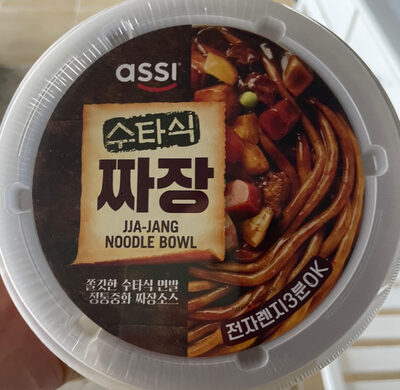
Jja-jang Noodle Bowl
Halal Analysis
We recommend searching for certified Halal alternatives.
Pro Tip
Always double-check the label. Manufacturers change ingredients frequently without notice!