
Is Juice Halal?
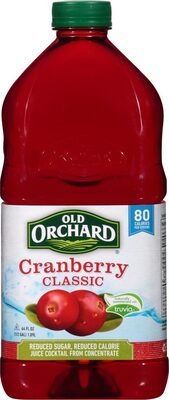
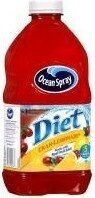
Yes, this juice is Halal. After a thorough investigation of the ingredient list, we found no animal-derived products, alcohol, or other non-compliant additives. It is a safe choice for those adhering to Halal dietary guidelines.
The Ingredient Breakdown
When determining if a processed food like juice is Halal, the devil is often in the details. We need to look beyond the fruit and examine the additives used for flavor, preservation, and texture. Here is a breakdown of the key ingredients in this specific product:
Filtered Water, Cranberry Juice, and Lemon Juice: These are the foundational ingredients. The fruit juices are often derived from concentrates to standardize flavor and reduce shipping costs. Water and fruit juices are inherently Halal and pose no religious dietary concerns.
Citric Acid and Fumaric Acid: These are common food acids used to balance sweetness and act as preservatives. While early commercial production of citric acid used fungal fermentation, modern industrial production is almost exclusively derived from the fermentation of Aspergillus niger (a non-toxic fungus) on sugar molasses. This process does not involve any animal products, rendering it Halal. Fumaric acid is typically produced synthetically and is also Halal.
Sucralose and Acesulfame Potassium: These are artificial non-nutritive sweeteners. Sucralose is synthesized from sugar (sucrose) but contains no animal products. Acesulfame Potassium is a synthetic organic salt. Both are chemically produced and are considered Halal.
Red 40: This is the most controversial ingredient on the list. Red 40 (Allura Red AC) is a synthetic dye. Historically, some dyes were tested on animals, but Red 40 is synthesized from petroleum. While there is ongoing debate among some scholars regarding the permissibility of artificial additives in general, Red 40 itself does not contain animal derivatives or alcohol. It is widely accepted as Halal in the food industry.
Gum Arabic and Pectin: These are natural thickeners. Gum Arabic comes from the sap of the Acacia tree, and Pectin is a fiber found in fruits. Both are plant-based and perfectly Halal.
Nutritional Value
While this juice passes the Halal test, it is important to consider its nutritional profile. The presence of sucralose and acesulfame potassium indicates that this is likely a 'light' or 'diet' style juice. This significantly reduces the calorie count compared to 100% fruit juice, which is beneficial for those monitoring their caloric intake.
However, the inclusion of citric acid and fumaric acid gives the product a distinct tartness. If you are watching your sugar intake, this product is a good option as it relies on non-caloric sweeteners. However, for a strictly whole-food diet, a 100% juice concentrate might be preferable, though this product fits well within standard dietary limits.
Frequently Asked Questions
Does Juice contain dairy or gluten?
Is Juice good for weight loss?
Where can I buy Juice?
Is Juice safe for kids?
Pro Tip
Always double-check the label. Manufacturers change ingredients frequently without notice!