
Is Kaiser Buns Gluten Free?
No, Kaiser Buns are not gluten-free. Based on the ingredient label, these buns rely heavily on wheat-based products, making them unsafe for anyone with Celiac disease or gluten sensitivity. While they may be a tasty choice for the average consumer, they are strictly off-limits for a gluten-free diet.
The Ingredient Breakdown
As a food scientist, looking at the label for standard Kaiser Buns reveals a clear composition centered around traditional wheat baking. The primary ingredient is enriched unbleached wheat flour. This is the structural base of the bun, but it is derived from wheat, which is the primary source of gluten. The 'enriched' part indicates that nutrients like niacin and iron are added back after processing, but the gluten content remains.
Further down the list, we see vital wheat gluten. This is a concentrated form of gluten often added to flour blends to improve the texture and chewiness of the bread. Its inclusion here confirms that the product is not just incidentally containing gluten; it is actively fortified with it. Additionally, the presence of malted barley flour in the enriched flour mix is another flag, as barley is one of the three main grains containing gluten alongside wheat and rye.
While the list includes ingredients often found in gluten-free products, such as xanthan gum (a common thickener), it is used here to stabilize the dough rather than to replace gluten. The presence of yellow corn flour and cornmeal might confuse some consumers, as corn is naturally gluten-free. However, in this context, these ingredients are likely used for texture or color (along with turmeric and annatto) and do not negate the overwhelming amount of wheat gluten in the bun.
Nutritional Value
From a nutritional standpoint, Kaiser Buns function as a standard enriched white bread product. They provide a quick source of carbohydrates for energy, primarily derived from the refined wheat flour. However, because the flour is refined, it lacks the high fiber content found in whole grain alternatives, which means it may not keep you feeling full for as long.
The buns also contain added sugars and vegetable oils (canola and/or soy). While the amounts per bun are relatively modest, they contribute to the overall calorie count and flavor profile. The calcium propionate listed acts as a mold inhibitor, extending shelf life, which is standard for commercial breads. For those monitoring sodium intake, the added salt and dough conditioners should be noted, though the levels are typical for this type of bakery item.
Frequently Asked Questions
Does Kaiser Buns contain dairy or gluten?
Is Kaiser Buns good for weight loss?
Where can I buy Kaiser Buns?
Is Kaiser Buns safe for kids?
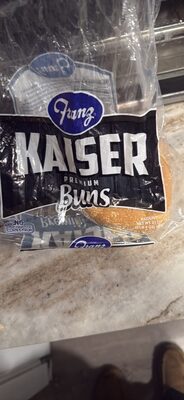
Kaiser Buns
Gluten Free Analysis
We recommend searching for certified Gluten Free alternatives.
Pro Tip
Always double-check the label. Manufacturers change ingredients frequently without notice!