
Is Katina thins Keto?
No, Katina thins are not keto-friendly. While they may seem like a light, savory snack, the ingredient list tells a different story for anyone following a ketogenic diet. The primary ingredient is corn, a high-starch grain that is strictly limited on keto due to its carbohydrate content.
The Ingredient Breakdown
As a food scientist, I look at ingredients to determine how a product will interact with specific metabolic processes. For the ketogenic diet, the goal is to minimize carbohydrates to maintain a state of ketosis. Katina thins fail this test almost immediately due to their base ingredient.
The first and most prominent ingredient listed is corn. Corn is not a low-carb vegetable like zucchini or cauliflower; it is a grain. It is composed almost entirely of starch, which the body converts rapidly into glucose (sugar). On a keto diet, consuming corn—even in thin, baked form—provides a significant carbohydrate load that can easily exceed your daily limit and kick you out of ketosis.
Furthermore, the product contains vegetable oil (a blend of canola, corn, cottonseed, safflower, and/or soybean oils). While these oils are low in carbohydrates, they are highly processed industrial seed oils. Many health advocates and keto practitioners prefer whole-food fats like avocado oil or olive oil over these refined oils due to concerns about inflammation and processing methods.
Finally, sea salt is the only other ingredient. While salt is fine on keto (and actually necessary for electrolyte balance), it cannot compensate for the high carb count of the corn base.
Nutritional Value
To understand why Katina thins don't fit a keto lifestyle, we have to look at the macronutrient ratio. While the exact nutrition label may vary slightly by region, the profile is generally consistent: very low fat and very high carbohydrates relative to the serving size.
A typical serving of corn-based crackers contains between 15 to 20 grams of carbohydrates. For someone tracking a strict 20-gram daily limit on keto, a single serving of these thins would use up nearly the entire day's allowance, leaving no room for vegetables, proteins, or other necessary fats.
Additionally, these crackers are essentially empty calories. They lack fiber, protein, and micronutrients. On a ketogenic diet, every gram of carbohydrate must count, usually coming from fiber-rich vegetables or nutrient-dense sources. Corn thins offer a high glycemic load without the nutritional benefit, making them a poor choice for both keto and general health.
Frequently Asked Questions
Does Katina thins contain dairy or gluten?
Is Katina thins good for weight loss?
Where can I buy Katina thins?
Is Katina thins safe for kids?


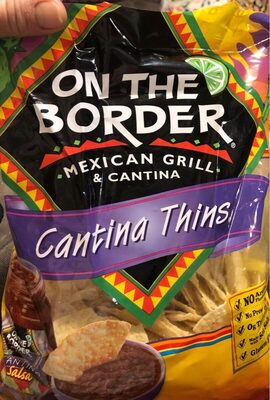
Katina thins
Keto Analysis
We recommend searching for certified Keto alternatives.
Pro Tip
Always double-check the label. Manufacturers change ingredients frequently without notice!