
Is Kefir Vegan? An Investigative Ingredient Breakdown
The short answer is no: traditional Kefir is not vegan. As a fermented dairy product, it is fundamentally derived from animal milk, making it unsuitable for a plant-based lifestyle. In this analysis, we will dissect the specific ingredients found in popular commercial brands to understand exactly why this probiotic drink fails the vegan test.
The Ingredient Breakdown
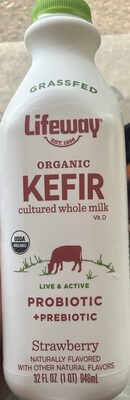
When evaluating whether a product fits a vegan diet, we must look beyond the marketing claims and examine the source material. Kefir is defined by its fermentation process, but the base ingredient is where the conflict with veganism begins. Let's look at a standard ingredient profile for a fruit-flavored Kefir.
The primary flag is pasteurized organic grassfed milk. This is the liquid base that the cultures ferment. Regardless of how the cows are treated or what they eat, milk is an animal byproduct. In the context of veganism, which seeks to exclude all forms of animal exploitation, dairy is strictly off-limits. The presence of milk is the definitive factor that disqualifies this product.
However, the investigation doesn't stop there. We also see vitamin D3 listed. While Vitamin D is essential for human health, the source matters. The most common form of Vitamin D3 used in food fortification is derived from lanolin, a waxy substance harvested from sheep's wool. While some D3 is synthesized from lichen (making it vegan), it is rarely specified on standard labels. Therefore, the presence of 'Vitamin D3' on a dairy product is a strong indicator of non-vegan sourcing.
Finally, we have the sweeteners and flavors like organic cane sugar and organic strawberry natural flavor. While these are generally plant-derived, strict vegans sometimes scrutinize natural flavors for potential animal derivatives and cane sugar for bone char filtration. However, compared to the milk and D3, these are secondary concerns. The verdict remains a hard 'no' due to the dairy base.
Nutritional Value
Despite not being vegan, Kefir is nutritionally dense. The fermentation process breaks down lactose, often making it easier to digest than regular milk for those with mild lactose intolerance. It is a powerhouse of protein and calcium, essential for bone health and muscle repair.
However, consumers should be mindful of the organic cane sugar content. Flavored Kefirs can contain a significant amount of added sugar, which adds to the calorie count without providing substantial satiety. If you are monitoring your sugar intake or looking to lose weight, a plain, unsweetened variety is a much better option. The fat content will vary based on whether the milk used is whole, 2%, or skim, but the grassfed variety typically offers a better omega-3 fatty acid profile.
Frequently Asked Questions
Does Kefir contain dairy or gluten?
Is Kefir good for weight loss?
Where can I buy Kefir?
Is Kefir safe for kids?



Kefir
Vegan Analysis
We recommend searching for certified Vegan alternatives.
Pro Tip
Always double-check the label. Manufacturers change ingredients frequently without notice!