
Is Kidney Beans Halal?
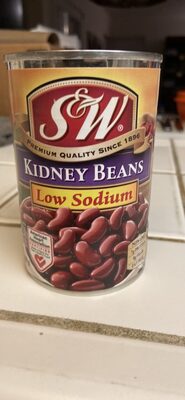
Yes, kidney beans are halal. Based on a detailed analysis of the ingredients list, there are no animal-derived additives, alcohol, or other non-compliant substances. They are a safe, plant-based choice for a halal diet.
The Ingredient Breakdown
When determining if a product is halal, we look for hidden animal derivatives, alcohol, or questionable processing aids. For standard canned kidney beans, the ingredients are generally straightforward and safe.
The primary ingredient is, of course, kidney beans themselves, which are a legume and entirely plant-based. They are packed in water, which is neutral and safe. Salt is used for flavor; as long as it is not processed with alcohol (which is rare in standard salt), it is permissible.
Two additives often cause confusion: calcium chloride and calcium disodium EDTA. Calcium chloride is a firming agent used to keep the beans from turning into mush. It is a mineral salt and completely halal. Calcium disodium EDTA is a preservative used to protect the color of the beans. It is a synthetic compound, not derived from animals, and poses no halal issues. There are no flags on this label.
Nutritional Value
Kidney beans are a nutritional powerhouse. They are low in fat and rich in plant-based protein and dietary fiber, making them excellent for sustained energy and digestive health. A standard serving typically contains minimal sugar (usually less than 1g) and relies on complex carbohydrates for fuel.
Because they are high in fiber and protein, they fit well into a diet focused on weight management or heart health. The sodium content can vary depending on the brand (whether it's 'no salt added' or regular), so checking the label is wise if you are monitoring blood pressure.
Frequently Asked Questions
Does Kidney Beans contain dairy or gluten?
Is Kidney Beans good for weight loss?
Where can I buy Kidney Beans?
Is Kidney Beans safe for kids?

Pro Tip
Always double-check the label. Manufacturers change ingredients frequently without notice!