
Is Kimchi Mayo Halal? A Food Scientist's Analysis
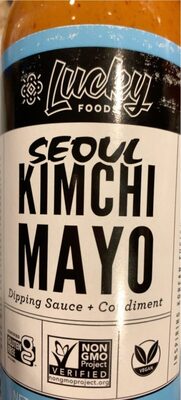
Yes, Kimchi Mayo is Halal. Based on a detailed breakdown of its ingredients, this condiment contains no pork derivatives, alcohol, or non-Halal animal enzymes. It is a safe and flavorful choice for those adhering to Halal dietary guidelines.
The Ingredient Breakdown
As a food scientist, I scrutinize labels to determine the source and processing of every component. When analyzing Kimchi Mayo, the primary concern for Halal certification is the absence of haram (forbidden) elements like pork fat (lard), non-Halal meat, or alcohol used as a solvent. The ingredient list provided is surprisingly clean from these standard red flags.
Let's look at the core components. The base consists of water and canola oil, both of which are universally Halal. The flavor profile comes from gochugaru (Korean chili pepper), crushed garlic, and ginger puree. These are plant-based aromatics and pose no religious dietary issues. The acidity is regulated by white distilled vinegar and lemon juice concentrate. While some vinegars are processed through alcohol, distilled vinegar is chemically produced to be alcohol-free, making it permissible.
A common point of confusion is the non-gmo modified food starch and xanthan gum. These are thickening agents derived from plant sources (like corn or fermentation of sugars). They are not animal-derived gelatins. Furthermore, the ingredient chickpea powder adds a creamy texture and protein without relying on dairy or eggs, which is excellent for vegan Halal diets. Finally, the spice (mustard powder) is simply a ground seed and is Halal. There are no hidden enzymes or animal fats in this formulation.
Nutritional Value
From a nutritional standpoint, Kimchi Mayo is a condiment that balances flavor with a moderate calorie count. A typical serving contains roughly 90 to 100 calories, derived primarily from the canola oil. This makes it lower in fat than traditional mayonnaise, which often relies on a higher ratio of oil to water.
The sweetness you taste comes from cane sugar. It is important to note that this specific ingredient is listed as cane sugar, which is naturally vegan and Halal. Some sugars are processed with bone char (animal bone), but cane sugar is generally considered safe. However, if you are strictly monitoring sugar intake for health reasons, this condiment does contain added sugars, so portion control is key. The sodium content is derived from sea salt and is relatively standard for a pickled-style condiment.
Frequently Asked Questions
Does Kimchi Mayo contain dairy or gluten?
Is Kimchi Mayo good for weight loss?
Where can I buy Kimchi Mayo?
Is Kimchi Mayo safe for kids?
Pro Tip
Always double-check the label. Manufacturers change ingredients frequently without notice!