
Is Kombucha Vegan? The Surprising Truth About That Fermented Tea
The direct answer to whether kombucha is vegan is: **MAYBE**. While the standard ingredients of tea, sugar, and water are plant-based, the strictest ethical vegans often flag the specific type of sugar used in the brewing process. This fermented tea is a complex brew that requires a deep dive into fermentation science to understand exactly what you're drinking.
The Ingredient Breakdown
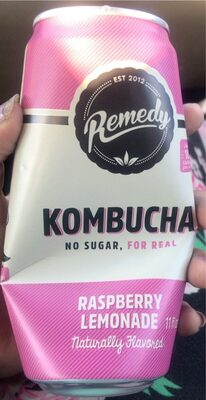
As a food scientist, I look at kombucha as a living ecosystem. It is a symbiotic culture of bacteria and yeast (SCOBY) that metabolizes sugar to create a fizzy, acidic beverage. Let's analyze the specific ingredients found in a typical commercial brew like the one provided.
The base of any kombucha is organic raw kombucha. This is a liquid culture comprising carbonated water, sugar, black tea leaves, and green tea leaves. The tea leaves are unequivocally vegan. However, the sugar is the first potential hurdle. In the US, much of the white sugar is processed using bone char (charred animal bones) to bleach it white. While organic sugar avoids this, standard white sugar is often a gray area for strict vegans.
Next, we have the flavoring agents. Erythritol is a sugar alcohol produced by fermenting glucose, usually from corn or wheat starch, making it vegan. The hibiscus tea (water and hibiscus) is purely plant material. Natural raspberry flavor and lemon juice are also plant-derived. Finally, stevia extract (steviol glycosides) comes from the Stevia rebaudiana plant. None of these flavorings present a vegan issue.
The verdict of "MAYBE" stems from the fermentation process itself. The kombucha culture consumes the sugar. While the final product contains significantly less sugar than the starting tea, the origin of that sugar remains the primary ethical flag for the vegan community.
Nutritional Value
From a nutritional standpoint, kombucha is a fascinating beverage. It is generally low in calories, especially if it uses sweeteners like erythritol and stevia instead of relying solely on residual sugar. A typical 12oz serving of a kombucha like this might range from 15 to 30 calories, depending on the fermentation time.
Regarding macronutrients, kombucha contains negligible fat and a small amount of protein from the tea. The main component to watch is the sugar content. Even though the SCOBY eats much of the sugar, a 12oz bottle can still contain 2g to 10g of sugar. The addition of erythritol and stevia helps keep the glycemic index low, making it a better option than soda, but it is not a zero-calorie drink.
For those on a strict vegan diet, the nutritional value is less about macros and more about the source of those macros. The drink provides hydration and probiotics, which are beneficial for gut health, fitting well into most health-conscious diets provided the sugar content is managed.
Frequently Asked Questions
Does Kombucha contain dairy or gluten?
Is Kombucha good for weight loss?
Where can I buy Kombucha?
Is Kombucha safe for kids?


Kombucha
Vegan Analysis
We recommend searching for certified Vegan alternatives.
Pro Tip
Always double-check the label. Manufacturers change ingredients frequently without notice!