
Is Krill Oil Kosher?
The answer to whether Krill Oil is kosher is MAYBE. While the source of the oil (krill) is inherently kosher, the standard softgel capsule is almost always made from porcine (pig) gelatin, which renders it non-kosher. This article analyzes the specific ingredients to help you identify which brands meet dietary laws.
The Ingredient Breakdown
When determining if a supplement fits a kosher diet, we must look beyond the primary active ingredient. In the case of Krill Oil, the issue isn't the oil itself, but the shell holding it together.
The first ingredient is krill oil. Krill are small crustaceans, similar to shrimp. According to Jewish dietary laws, crustaceans are not considered kosher because they lack fins and scales. However, there is a significant debate in the kosher community regarding the status of fish oil derived from non-kosher fish. Many authorities rule that fish oil is permissible if it is purified and contains no solids. Therefore, the liquid oil itself is often considered acceptable by many certification agencies, provided it is processed correctly.
The major flag in this ingredient list is gelatin (porcine). Gelatin is a gelling agent used to create the softgel capsule. The term 'porcine' explicitly means it is derived from pigs. Pigs are explicitly forbidden in the Torah. Therefore, unless the gelatin is specifically sourced from kosher fish or certified bovine (cattle), the capsule makes the product non-kosher. Standard Krill Oil supplements almost exclusively use porcine gelatin because it is cost-effective and provides the right texture.
The remaining ingredients—glycerin, water, and ethyl vanillin—are generally considered kosher. Glycerin is a humectant, and while it can be animal-derived, it is often vegetable-based in modern supplements. However, without a kosher certification symbol (like a 'U' in a circle or an 'OK'), you cannot be sure of the source of the glycerin or the processing aids used in the ethyl vanillin.
Nutritional Value
Regardless of its kosher status, Krill Oil is a potent nutritional supplement. It is prized for its high concentration of Omega-3 fatty acids, specifically EPA (eicosapentaenoic acid) and DHA (docosahexaenoic acid). Unlike standard fish oil, the Omega-3s in Krill Oil are bound to phospholipids, which may enhance their absorption by the body.
In terms of calories and macronutrients, Krill Oil is very low in carbohydrates and sugar. A typical serving contains less than 10 calories from fat, making it an excellent addition to almost any diet plan, including keto and low-carb regimens. It does not impact blood sugar levels significantly. The primary health benefit is supporting heart health, brain function, and reducing inflammation, rather than providing caloric energy.
Frequently Asked Questions
Does Krill Oil contain dairy or gluten?
Is Krill Oil good for weight loss?
Where can I buy Krill Oil?
Is Krill Oil safe for kids?




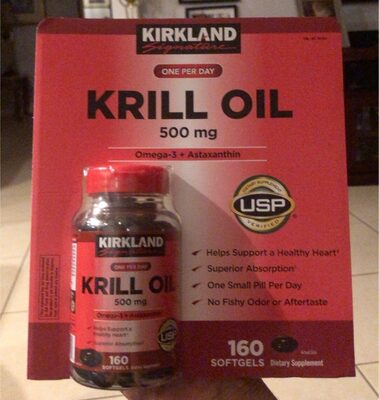
Krill Oil
Kosher Analysis
We recommend searching for certified Kosher alternatives.
Pro Tip
Always double-check the label. Manufacturers change ingredients frequently without notice!