
Is Leche Nido Kinder Keto?
If you are strictly following a ketogenic diet, you should avoid Leche Nido Kinder. While this milk powder is fortified with vitamins and marketed as a healthy growth supplement for children, its formulation relies heavily on high-glycemic carbohydrates that are incompatible with ketosis. The primary red flag is maltodextrin, a filler that spikes blood sugar levels rapidly.
The Ingredient Breakdown
To understand why Leche Nido Kinder fails the keto test, we need to look past the marketing and analyze the chemistry of the powder. As a food scientist, I look at the functional role of each ingredient in the context of metabolic impact.
The first ingredient listed is dried sweet whey. While whey protein is a staple in keto diets due to its fat-burning properties, sweet whey is distinct. It contains residual lactose (milk sugar). In a keto context, lactose is a hidden carbohydrate that can easily push you over your daily limit if not accounted for. This is compounded by the presence of nonfat milk, which removes the fat but leaves the milk solids, primarily protein and sugars.
The most significant offender, however, is maltodextrin. This is a highly processed starch derivative used as a thickener and filler. From a metabolic standpoint, maltodextrin has a glycemic index (GI) of 85 to 105—higher than table sugar. On a keto diet, the goal is to keep insulin low to maintain ketosis. Consuming maltodextrin triggers a massive insulin spike, effectively shutting down fat-burning immediately. It is often used in "low-fat" products to improve texture, but it is a metabolic nightmare for keto dieters.
We also see a blend of vegetable oils (palm oil, soybean oil). While these provide fat, they are often highly processed and high in Omega-6 fatty acids. A healthy keto diet prioritizes monounsaturated fats (like olive oil or avocado oil) and stable saturated fats. The inclusion of these industrial oils is a negative mark for overall health, even if they technically fit the macronutrient profile of the diet.
Finally, the prebiotics (fructo-oligosaccharides, inulin) are interesting. These are fibers that feed gut bacteria. While fiber is generally keto-friendly, in high concentrations in a powdered drink, they can cause significant gastrointestinal distress (bloating and gas) for those not used to them. While the carb count might be partially offset by fiber, the presence of maltodextrin renders this distinction moot.
Nutritional Value
When evaluating a product for keto, we look at the net carb count (Total Carbs minus Fiber). A standard serving of Leche Nido Kinder (approx. 200ml prepared) contains roughly 12-14 grams of carbohydrates. For a strict keto diet, which usually limits total daily carbs to 20-30 grams, a single glass of this milk powder consumes nearly half your daily allowance instantly.
The product is marketed as a high-calorie supplement. It is designed to help underweight children gain mass. If you are trying to lose weight on keto, this is counter-productive. The combination of maltodextrin and milkfat creates a calorie-dense product that is easy to overconsume. While it is fortified with excellent micronutrients like Iron, Vitamin D3, and Calcium, these vitamins do not negate the high carbohydrate load. You can easily obtain these micronutrients from keto-friendly sources like leafy greens, meat, and cheese without the sugar spike.
Frequently Asked Questions
Does Leche Nido Kinder contain dairy or gluten?
Is Leche Nido Kinder good for weight loss?
Where can I buy Leche Nido Kinder?
Is Leche Nido Kinder safe for kids?
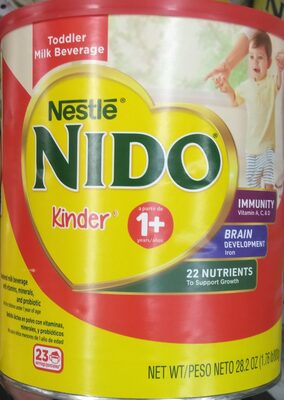
Leche Nido Kinder
Keto Analysis
We recommend searching for certified Keto alternatives.
Pro Tip
Always double-check the label. Manufacturers change ingredients frequently without notice!