
Is Lemon Juice Halal?
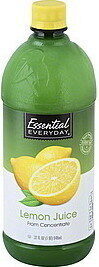
Yes, lemon juice is generally considered halal. After analyzing the ingredients of standard commercial lemon juice, including preservatives and lemon oil, we found no animal-derived ingredients or alcohol. It is a safe and permissible choice for those adhering to halal dietary guidelines.
The Ingredient Breakdown
When determining if a product is halal, the source of every ingredient matters. For commercial lemon juice, the process involves looking at additives used for preservation and flavor enhancement. Let's look at the specific ingredients found in a typical bottle of lemon juice.
First, the base ingredients are Filtered water and Lemon Juice Concentrate. These are purely plant-based and pose no halal concerns. The concentrate is simply lemon juice that has had water removed to save space and cost; reconstituting it with water brings it back to a standard juice consistency.
The preservatives Sodium Bisulfite and Sodium Benzoate are the next ingredients to check. Sodium Bisulfite is a synthetic inorganic salt used to prevent browning and spoilage. It is not derived from animals and is chemically synthesized. Similarly, Sodium Benzoate is a salt derived from benzoic acid, which occurs naturally in some fruits but is manufactured for commercial use. Neither of these preservatives contains animal products or alcohol.
Finally, we have Lemon Oil. This is extracted directly from the peel of the lemon. It is a volatile oil that provides the aromatic zest associated with fresh lemons. Since it is pressed or distilled from the fruit itself, it is entirely plant-based. There are no hidden animal products, such as gelatin or dairy, used in the emulsification or extraction process of lemon oil for food products.
Nutritional Value
While the halal status is confirmed, the nutritional profile is also worth noting for those managing a healthy diet. Lemon juice is very low in calories, making it an excellent flavor enhancer for water or salads without adding significant energy intake. A typical serving contains minimal fat and a small amount of carbohydrates naturally occurring as sugars from the fruit.
However, it is important to be mindful of the acidity. While the citric acid aids digestion, consuming it in large quantities or undiluted can be harsh on tooth enamel. From a dietary perspective, lemon juice fits well within most limits, including low-carb and ketogenic diets, as the sugar content is relatively low compared to other fruit juices like orange or apple juice.
Frequently Asked Questions
Does Lemon Juice contain dairy or gluten?
Is Lemon Juice good for weight loss?
Where can I buy Lemon Juice?
Is Lemon Juice safe for kids?


Pro Tip
Always double-check the label. Manufacturers change ingredients frequently without notice!