
Is Lemonade Halal?
The direct answer to whether Lemonade is halal is MAYBE. While the product does not contain alcohol or obvious animal by-products, there is a specific ingredient that requires further investigation. This article investigates the specific chemical additives in this lemonade to determine if they meet strict halal dietary standards.
The Ingredient Breakdown
When analyzing a processed beverage like this lemonade, we must look beyond the fruit and inspect the preservatives and additives. While the base ingredients appear safe, the ambiguity lies in the sourcing of specific flavor enhancers.
The primary ingredients, citric acid and potassium citrate, are generally synthesized from fungal fermentation or corn starch, making them halal. However, the presence of soy lecithin is a minor point of discussion. While soy itself is plant-based, some strict halal certification bodies prefer to avoid it due to the potential use of hexane (a petroleum derivative) in the extraction process, though it is generally considered permissible.
The most significant flag in this formula is natural flavor. This proprietary term allows manufacturers to use complex chemical compounds to mimic taste. While usually plant-derived, 'natural flavor' can sometimes contain trace amounts of alcohol as a solvent or be derived from animal sources (such as castoreum from beavers, though rare). Without a specific breakdown from the manufacturer, we cannot guarantee the source is 100% plant-based.
Finally, artificial colors like Yellow 5 and preservatives like BHA are synthetic chemicals. While they do not violate halal restrictions regarding animal sourcing, they are the subject of health debates. Aspartame and acesulfame potassium are artificial sweeteners that are chemically derived and are halal, though controversial for general health.
Nutritional Value
From a nutritional standpoint, this lemonade is a low-calorie beverage due to the use of artificial sweeteners like aspartame and acesulfame potassium. It contains zero fat and negligible protein. However, the inclusion of maltodextrin (a starch derivative) provides a quick source of carbohydrates, though the amount is likely minimal per serving.
For those monitoring their intake of synthetic additives, this product contains a cocktail of chemicals including magnesium oxide and artificial color. While these are approved for consumption, they offer no nutritional benefit. If you are looking for a clean diet, this beverage fits the 'low calorie' criteria but fails the 'clean ingredient' test.
Frequently Asked Questions
Does Lemonade contain dairy or gluten?
Is Lemonade good for weight loss?
Where can I buy Lemonade?
Is Lemonade safe for kids?

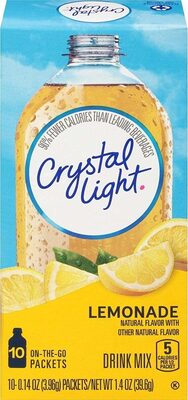
Lemonade
Halal Analysis
We recommend searching for certified Halal alternatives.
Pro Tip
Always double-check the label. Manufacturers change ingredients frequently without notice!