
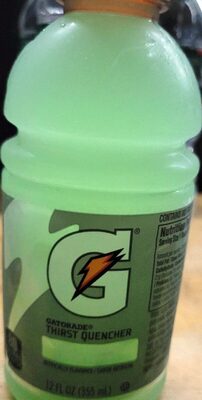
Is Lime cucumber Halal?
Yes, Lime cucumber is Halal. Based on a detailed analysis of its ingredient list, this beverage contains no alcohol, pork derivatives, or non-Halal animal products. It is a chemically derived, plant-based flavoring system that meets Halal dietary standards.
The Ingredient Breakdown
When determining if a processed beverage like Lime cucumber is Halal, we must look beyond the marketing and into the chemistry. The ingredients list reveals a product built on water, sweeteners, and flavor compounds. Let's analyze the specific components that often cause concern.
First, the sweeteners and acids: Water, Sugar, Dextrose, Citric Acid, Salt, and Sodium Citrate. These are all standard food-grade ingredients. Dextrose is simply a form of sugar (glucose), often derived from corn or tapioca, making it entirely plant-based and Halal.
The preservatives and emulsifiers include Monopotassium Phosphate and Gum Arabic. Monopotassium Phosphate is a mineral salt used for pH balance, and Gum Arabic is a natural gum harvested from the acacia tree. Both are 100% plant-derived and permissible.
The most scrutinized ingredients are usually the flavoring agents. Natural and Artificial Flavor is a broad term, but in a citrus beverage, this typically refers to volatile organic compounds isolated from fruit peels or synthesized in a lab. Glycerol Ester of Rosin is a specific additive often used to stabilize flavors in citrus drinks. It is derived from pine tree sap (rosin) and vegetable glycerin. It is not an animal product and is considered Halal. Finally, Yellow 5 (Tartrazine) is a synthetic color dye. While some individuals avoid it due to allergies, it is chemically synthesized and contains no animal derivatives.
Nutritional Value
From a nutritional standpoint, Lime cucumber is a source of 'empty calories'—energy derived almost entirely from added sugars. The presence of Sugar and Dextrose means the glycemic load is significant. While it provides hydration and a small amount of electrolytes via Sodium Citrate and Salt, it lacks fiber, protein, or healthy fats.
For those monitoring their caloric intake, this drink should be treated as an occasional treat rather than a staple. It fits within a standard diet but offers little nutritional density compared to eating a whole cucumber or squeezing fresh lime into water.
Frequently Asked Questions
Does Lime cucumber contain dairy or gluten?
Is Lime cucumber good for weight loss?
Where can I buy Lime cucumber?
Is Lime cucumber safe for kids?


Pro Tip
Always double-check the label. Manufacturers change ingredients frequently without notice!