
Is Linguine Pasta Kosher?
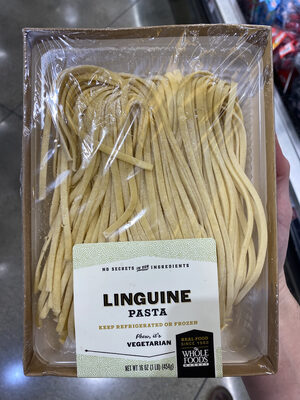
Yes, Linguine Pasta is kosher. Based on the ingredient list of Unenriched Semolina Flour, Pasteurized Cage-Free Eggs, and Water, this product contains no non-kosher animal derivatives or forbidden additives. It is a safe choice for those observing kosher dietary laws.
The Ingredient Breakdown
When determining if a pasta product is kosher, we look at the source of the flour, the egg content, and any processing aids. The linguine in question uses a very clean, traditional ingredient profile.
First, the primary ingredient is Unenriched Semolina Flour. Semolina is derived from durum wheat, which is inherently kosher (Pareve). Unlike some processed grains that might be treated with chemical bleaching agents or hidden additives, unenriched semolina is a whole ingredient that poses no kosher concerns. It is important to note that while the wheat itself is kosher, the flour must be checked for insects, though this is standard procedure for any reputable manufacturer.
Next, we examine the Pasteurized Cage-Free Eggs. In kosher dietary law, eggs are considered Pareve (neutral) and are permissible. The "cage-free" designation speaks to animal welfare rather than kashrut, but the fact that they are pasteurized ensures safety from salmonella without introducing non-kosher processing agents. There are no dairy derivatives in this recipe, meaning the pasta can be served with meat or fish meals without violating the prohibition against mixing milk and meat.
Finally, Water is used to bind the dough. Water is universally kosher. The combination of these three ingredients creates a product that is naturally free of the most common food flags, including artificial colors, preservatives, and pork-based enzymes.
Nutritional Value
From a nutritional standpoint, this linguine is a standard carbohydrate source. Because it is unenriched, it retains its natural texture but lacks the added vitamins (like B vitamins and iron) found in many supermarket pasta brands. This is not necessarily a negative; it simply means the product is closer to its natural state.
The inclusion of whole eggs adds a modest amount of protein and fat compared to dried egg noodles, contributing to a richer mouthfeel and slightly higher satiety. However, like all pasta, it is calorie-dense. A standard serving contains roughly 200 calories per 2 oz (dry) serving, with the majority coming from carbohydrates. It fits well into a balanced diet but should be portion-controlled if you are managing blood sugar levels or caloric intake.
Frequently Asked Questions
Does Linguine Pasta contain dairy or gluten?
Is Linguine Pasta good for weight loss?
Where can I buy Linguine Pasta?
Is Linguine Pasta safe for kids?

Pro Tip
Always double-check the label. Manufacturers change ingredients frequently without notice!