
Is LOW FAT MILK Gluten Free?
Yes, Low Fat Milk is gluten-free. Based on a detailed analysis of its standard ingredients, this dairy product contains absolutely no gluten-containing grains. It is a safe choice for individuals with celiac disease or gluten sensitivity looking for a low-fat dairy option.
The Ingredient Breakdown
When evaluating any food product for gluten, the goal is to identify the presence of wheat, rye, barley, or their derivatives. In the case of Low Fat Milk, the ingredients list is remarkably clean and naturally free from gluten. Let's look at the typical components found in a carton of Low Fat Milk.
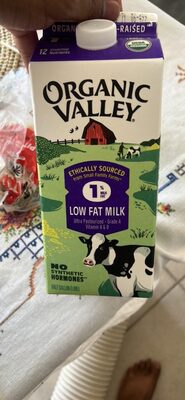
The primary ingredient is Organic Grade A Nonfat Milk. This is simply milk that has had the cream removed. Milk is a dairy product, not a grain, so it does not contain gluten. It is important to note that while milk is gluten-free, those with specific dairy allergies (like lactose intolerance) will still need to avoid it, but that is a separate issue from gluten sensitivity.
Next, we see Vitamin A Palmitate and Vitamin D3. These are fortification additives used to enhance the nutritional profile of the milk, bringing it closer to the vitamin content of whole milk. Both of these vitamins are synthesized in a lab or derived from non-gluten sources. They do not contain gluten and are considered safe for a gluten-free diet.
Finally, some variations might include Organic Milk (which is whole milk) or Carrageenan (a thickener). Carrageenan is extracted from red seaweed and is chemically inert and gluten-free. There are no flags on any of these ingredients regarding gluten content.
Nutritional Value
Low Fat Milk is a nutritional powerhouse, specifically designed to provide the benefits of dairy with reduced caloric density from fat. A standard cup (8oz) typically contains around 80 to 100 calories, depending on the specific brand and fortification levels. The fat content is usually around 2.5 grams per cup, significantly lower than the 8 grams found in whole milk.
In terms of sugar, you are looking at roughly 12 grams per cup. This is naturally occurring sugar (lactose), not added refined sugar, which makes a significant difference in how the body processes it. For those monitoring their sugar intake, this is a moderate amount to account for in your daily total.
Protein content remains high, usually offering 8 grams per cup, which is excellent for muscle repair and satiety. Because it retains most of the calcium and protein of whole milk while cutting the fat, it fits well into heart-healthy diets and weight management plans that require nutrient density without excess fat calories.
Frequently Asked Questions
Does LOW FAT MILK contain dairy or gluten?
Is LOW FAT MILK good for weight loss?
Where can I buy LOW FAT MILK?
Is LOW FAT MILK safe for kids?
Pro Tip
Always double-check the label. Manufacturers change ingredients frequently without notice!