
Is Low-fat Vanilla Yogurt Vegan?
No, Low-fat Vanilla Yogurt is not vegan. While it offers the creamy texture and tangy flavor many enjoy, the core ingredient is dairy. This product is strictly vegetarian at best, but it does not meet the strict standards of a vegan diet.
The Ingredient Breakdown
When analyzing whether a product fits a vegan lifestyle, we must look beyond the marketing claims and dive into the source of the ingredients. In the case of Low-fat Vanilla Yogurt, the verdict is clear due to the presence of animal-derived products.
The primary ingredient listed is cultured pasteurized grade a organic lowfat milk. This is the foundation of all traditional yogurt. Milk is a secretion from mammals (in this case, cows), making it strictly non-vegan. The 'cultured' aspect refers to the fermentation process where bacteria (the live and active cultures) convert lactose into lactic acid, thickening the milk. While the bacteria are microscopic organisms, the food source they consume is dairy.
Another key ingredient is organic sugar. While sugar itself is plant-based, the term 'organic' in the United States can sometimes be a gray area for strict vegans. Organic sugar is often processed using bone char (charred animal bones) to filter and whiten the sugar crystals. However, because this specific product is labeled 'organic,' it is more likely that the sugar meets USDA organic standards which prohibit the use of bone char. The real dealbreaker remains the milk.
Finally, we see natural flavors. This is a broad term that can hide a multitude of sources. Natural flavors can be derived from plant or animal sources. In vanilla-flavored dairy products, natural flavors sometimes include dairy derivatives or animal-based compounds to enhance the creaminess. Without specific disclosure from the manufacturer, this ingredient adds another layer of uncertainty for vegans.
Nutritional Value
From a nutritional standpoint, Low-fat Vanilla Yogurt is designed to be a lighter alternative to full-fat versions, but it still packs a caloric punch primarily from added sugars. A standard serving typically contains between 120 to 150 calories, with a significant portion coming from the organic sugar added to provide that sweet vanilla taste.
The 'low-fat' designation means the milk fat has been reduced, which lowers the overall saturated fat content compared to whole milk yogurt. However, to compensate for the loss of texture and mouthfeel that fat provides, manufacturers often rely on thickeners like pectin (a plant fiber) or gums. While the fat is lower, the sugar content can be high enough to spike blood glucose levels, which is a consideration for those monitoring their insulin response or trying to lose weight.
On the positive side, this yogurt is an excellent source of protein and calcium, thanks to the milk base. It also contains a robust blend of live and active cultures (S. thermophilus, L. bulgaricus, L. acidophilus, bifidus, & L. casei), which are beneficial for gut health and digestion. It fits well into a diet focused on bone health and microbiome diversity, provided you can tolerate lactose and dairy proteins.
Frequently Asked Questions
Does Low-fat Vanilla Yogurt contain dairy or gluten?
Is Low-fat Vanilla Yogurt good for weight loss?
Where can I buy Low-fat Vanilla Yogurt?
Is Low-fat Vanilla Yogurt safe for kids?
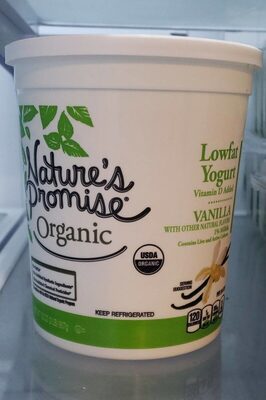
Low-fat Vanilla Yogurt
Vegan Analysis
We recommend searching for certified Vegan alternatives.
Pro Tip
Always double-check the label. Manufacturers change ingredients frequently without notice!