
Is Lower Sodium Bacon Keto?
No, Lower Sodium Bacon is not keto-friendly. While the 'lower sodium' label sounds heart-healthy, the inclusion of sugar and dextrose in the curing process makes it a risky choice for ketosis. If you are strictly tracking your carbohydrate intake, this specific product variety poses a hidden threat to your macros.
The Ingredient Breakdown
When analyzing food for a ketogenic diet, we must look past the marketing claims on the front of the package and scrutinize the fine print on the back. The ingredient list for this product reveals a curing process that prioritizes flavor and preservation over carbohydrate content.
The primary issue lies in the curing solution. The presence of Sugar and Dextrose is a significant red flag for anyone in a state of ketosis. While the amounts used might be small, both of these are pure forms of carbohydrates. Dextrose is chemically identical to glucose (blood sugar). In the context of a keto diet, where the goal is often to stay under 20-50 grams of net carbs per day, adding pure glucose to your food source is counterproductive. Even a gram or two of hidden sugar can accumulate throughout the day and potentially halt fat-burning.
Furthermore, the product uses Potassium Chloride. This is often used in 'low sodium' products to mimic the salty taste of sodium chloride without the blood pressure risks. While potassium chloride itself is not a carbohydrate and is generally considered safe, it is frequently used as a cover to maintain palatability while reducing sodium. It does not, however, negate the impact of the added sugars.
Finally, the inclusion of Sodium Nitrite and Sodium Erythorbate are standard curing agents. These are used to preserve color and prevent bacterial growth. While there is some debate in the health community regarding nitrates and nitrites, they are technically carb-free and do not directly affect the keto status of the food. The dealbreaker remains the sugar.
Nutritional Value
From a macronutrient perspective, bacon is naturally high in fat and protein, which fits the keto profile perfectly. However, the 'Lower Sodium' variation introduces a specific variable: added carbohydrates. On a standard bacon label, you might expect 0g of sugar. On this label, you will likely find a non-zero number.
These added sugars serve no nutritional purpose for a keto dieter; they are there solely for the curing reaction and flavor enhancement. Consuming this bacon adds empty calories from carbohydrates that contribute to your daily limit without providing satiety. If you are strictly following a ketogenic diet for weight loss or metabolic health, the trace amounts of fat saved by choosing a 'lower sodium' option are vastly outweighed by the metabolic disruption caused by added sugars. It fits the calorie limit, perhaps, but it does not fit the macro limit required to maintain ketosis.
Frequently Asked Questions
Does Lower Sodium Bacon contain dairy or gluten?
Is Lower Sodium Bacon good for weight loss?
Where can I buy Lower Sodium Bacon?
Is Lower Sodium Bacon safe for kids?

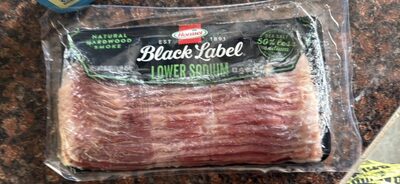
Lower Sodium Bacon
Keto Analysis
We recommend searching for certified Keto alternatives.
Pro Tip
Always double-check the label. Manufacturers change ingredients frequently without notice!