
Is Lowfat yoghurt Keto?
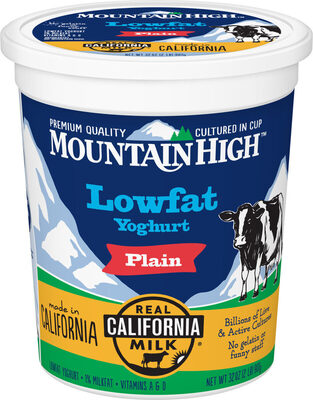
Yes, Lowfat yoghurt is generally considered keto-friendly. While it contains milk sugar (lactose), the amount is low enough to fit within the strict daily carb limits of a ketogenic diet. This article breaks down the ingredients and nutrition facts to explain why this dairy product makes the cut.
The Ingredient Breakdown
When evaluating a product for the ketogenic diet, we look for hidden sugars, starches, and fillers. The ingredient list for Lowfat yoghurt is surprisingly clean and aligns well with keto principles.
The primary ingredient is cultured pasteurized low fat milk. The fermentation process is key here; the bacteria used to culture the yogurt consume some of the natural lactose (milk sugar), which slightly lowers the final carbohydrate count compared to plain milk. This makes it a much better option for keto than a glass of milk.
Next, we see fruit pectin. This is a soluble fiber derived from citrus fruits. While it is technically a carbohydrate, pectin is a fiber that the body does not digest, meaning it contributes 0 net carbs to the final count. It acts as a thickener to give the yogurt a creamy texture without adding sugar or starches like modified corn starch or maltodextrin, which are common red flags in other yogurts.
Finally, the vitamins (vitamin a acetate and vitamin d3) and the blend of live and active cultures (including S. thermophilus, L. bulgaricus, and L. acidophilus) are excellent additions. These probiotics support gut health, a major benefit of yogurt, and they have zero impact on the carbohydrate content or ketosis.
Nutritional Value
To truly determine if Lowfat yoghurt fits a keto diet, we have to look at the numbers. A standard serving (typically 5.3 oz or 150g) contains approximately 80 calories, with only 5g to 6g of total carbohydrates per serving.
In the context of a standard ketogenic diet, which usually limits daily net carbs to 20-30 grams, a single serving of this yogurt uses up a reasonable but manageable portion of that allowance. Because it is low in fat (around 2g per serving), it doesn't provide the high fat content that keto is famous for, but it serves as an excellent high-protein, low-carb snack.
Crucially, the sugar content is relatively low (around 4g per serving). This sugar is naturally occurring lactose from the milk, not added cane sugar or high-fructose corn syrup. This makes it a 'clean' source of energy that won't spike blood sugar levels as drastically as sweetened yogurts. Therefore, it fits well within the macronutrient limits of the diet.
Frequently Asked Questions
Does Lowfat yoghurt contain dairy or gluten?
Is Lowfat yoghurt good for weight loss?
Where can I buy Lowfat yoghurt?
Is Lowfat yoghurt safe for kids?



Pro Tip
Always double-check the label. Manufacturers change ingredients frequently without notice!