
Is Macaroni Multigrain Pasta Vegan?
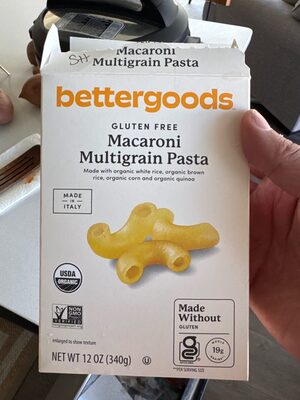
Yes, Macaroni Multigrain Pasta is completely vegan. This specific variety relies solely on plant-derived flours to create its structure, making it a safe and nutritious choice for anyone avoiding animal products. Let's dive into the ingredients to see exactly why this pantry staple passes the vegan test with flying colors.
The Ingredient Breakdown
When determining if a processed food is vegan, the devil is often in the details. However, the ingredient list for this Macaroni Multigrain Pasta is refreshingly straightforward and entirely plant-based. There are no hidden animal derivatives or processing agents derived from meat or dairy.
The pasta is built on a foundation of Organic Rice Flour and Organic Brown Rice Flour. These serve as the primary structural base, providing the carbohydrates and starch necessary for the pasta to hold its shape during cooking. Rice is naturally vegan and is a staple grain in many plant-based diets.
To add texture and a distinct flavor profile, the recipe includes Organic Corn Flour. This is essentially finely ground cornmeal and is responsible for the slight sweetness and firm bite often associated with multigrain pastas. Like rice, corn is a plant and poses no issues for vegans.
Finally, the inclusion of Organic Quinoa Flour elevates this pasta from a simple carbohydrate source to a nutrient-dense option. Quinoa is a seed (often treated as a grain) that is famous for being a complete protein, containing all nine essential amino acids. Because all four ingredients listed are derived strictly from plants, this pasta is unequivocally vegan.
Nutritional Value
From a nutritional standpoint, this Macaroni Multigrain Pasta offers a robust profile that differs significantly from traditional refined white pasta. Because it utilizes whole grains and seeds like quinoa, it retains more of its natural fiber, which aids in digestion and promotes a feeling of fullness (satiety). This makes it an excellent option for those looking to manage their appetite or blood sugar levels, as the fiber helps slow down the absorption of carbohydrates.
In terms of macronutrients, you can expect a balance of complex carbohydrates for sustained energy release. The presence of quinoa flour contributes to a higher protein content compared to standard semolina pasta, which is a bonus for those on a vegan diet looking to maximize protein intake from diverse sources. It is generally low in fat and contains no added sugars, relying on the natural flavors of the grains. This makes it a heart-healthy choice that fits well within weight management and clean-eating dietary limits.
Frequently Asked Questions
Does Macaroni Multigrain Pasta contain dairy or gluten?
Is Macaroni Multigrain Pasta good for weight loss?
Where can I buy Macaroni Multigrain Pasta?
Is Macaroni Multigrain Pasta safe for kids?
Pro Tip
Always double-check the label. Manufacturers change ingredients frequently without notice!