
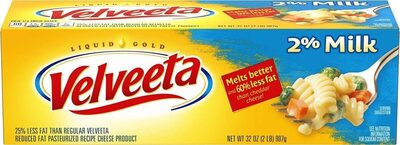
Is Made with milk cheese Halal?
Yes, Made with milk cheese is Halal. Based on a detailed analysis of the ingredients list, this product does not contain any pork derivatives, alcohol, or animal enzymes derived from non-Halal sources. It is a suitable option for those adhering to Halal dietary guidelines.
The Ingredient Breakdown
When determining if a processed cheese product is Halal, the primary concern is the source of enzymes and any hidden animal by-products. Fortunately, the ingredients in Made with milk cheese are straightforward and pose no red flags for Halal consumers. The base ingredients—milk, whey, and milk protein concentrate—are dairy-based and inherently Halal (provided the milk is from a Halal source, which is the standard for dairy in most regions).
The emulsifiers and stabilizers used here, such as sodium phosphate and sodium citrate, are mineral-based and synthetic. They are commonly used to control pH and meltability in processed cheeses and are completely free of animal origin. Similarly, preservatives like sorbic acid are synthetic organic compounds used to inhibit mold and yeast; they are not derived from animals and are permissible.
Finally, the thickening agents and flavor enhancers, including sodium alginate (derived from seaweed) and maltodextrin (usually derived from corn or potato starch), are plant-based. There are no ingredients here that would require a specific religious slaughter process, making this product compliant with Halal standards.
Nutritional Value
While the Halal status is confirmed, it is also important to look at the nutritional profile of Made with milk cheese. As a processed cheese product, it is designed for flavor and shelf-stability, which impacts its health metrics. The product contains added sodium phosphate and salt, meaning it can be relatively high in sodium. Those monitoring their blood pressure or sodium intake should consume it in moderation.
In terms of carbohydrates, the presence of dried corn syrup and maltodextrin adds to the sugar content. While not a 'high-sugar' product compared to desserts, these added sugars contribute to the overall calorie count. The fat content comes primarily from milkfat, which is typical for cheese. It provides a source of dairy fat and protein, but if you are on a strict low-fat or low-carb diet, you will need to factor this into your daily totals. Overall, it fits into a balanced diet but is best viewed as an indulgence rather than a health food.
Frequently Asked Questions
Does Made with milk cheese contain dairy or gluten?
Is Made with milk cheese good for weight loss?
Where can I buy Made with milk cheese?
Is Made with milk cheese safe for kids?

Pro Tip
Always double-check the label. Manufacturers change ingredients frequently without notice!