
Is Magnesium citrate Halal?
No, this specific formulation of Magnesium citrate is likely NOT Halal. While the core mineral is derived from salt, the presence of Palyvinyl Alcohol and Sorbitol creates a compliance issue regarding alcohol content and sourcing. This article investigates the specific ingredients flagged in this product to explain exactly why it fails the Halal test.
The Ingredient Breakdown
When determining if a supplement is Halal, we must look beyond the active ingredient and scrutinize the excipients—the binders, fillers, and coatings used to make the pill. In this specific Magnesium citrate formulation, the verdict comes down to two problematic ingredients: Palyvinyl Alcohol and Sorbitol.
The most significant flag is Palyvinyl Alcohol. This is a synthetic polymer often used as a film coating to make pills easier to swallow. While synthetic, it is chemically classified as an alcohol. In Islamic jurisprudence, the consumption of intoxicants is strictly prohibited, and while Palyvinyl Alcohol is not intoxicating in small amounts, its chemical nature as an alcohol derivative makes it a point of contention for strict Halal certification. Many Halal certifying bodies prohibit alcohol-based coatings entirely.
Additionally, Sorbitol is listed as an ingredient. Sorbitol is a sugar alcohol (polyol) used as a sweetener and bulking agent. While generally considered permissible by many scholars due to its non-intoxicating nature and common occurrence in fruits, strict interpretations of Halal often scrutinize sugar alcohols if they are derived from fermentation processes involving ethanol. Without specific sourcing information, its presence contributes to the uncertainty.
Finally, the ingredient list notes that the product may contain Polyethylene Glycol. This is another polymer used as a lubricant or coating agent. Like Palyvinyl Alcohol, it is a chemical derivative that strict Halal guidelines often flag due to its synthetic nature and potential processing agents.
Nutritional Value
From a nutritional standpoint, this Magnesium citrate supplement is relatively clean regarding macronutrients. It contains zero fat and negligible calories from protein or carbohydrates, as the serving size is a small tablet. The primary nutritional value comes from the Magnesium itself, which is essential for muscle function, nerve transmission, and energy production.
However, the inclusion of Sorbitol adds a small amount of carbohydrates (sugar alcohols). While this doesn't impact the caloric load significantly, it is worth noting for those monitoring their sugar intake or those with sensitive stomachs, as sugar alcohols can cause digestive discomfort in some individuals. The product also includes a range of B-Vitamins (Thiamine, Riboflavin, Niacin, B6, B12), which supports metabolic health. Overall, the nutritional profile is standard for a multivitamin/mineral supplement, but the Halal compliance issues overshadow the nutritional benefits for the target audience.
Frequently Asked Questions
Does Magnesium citrate contain dairy or gluten?
Is Magnesium citrate good for weight loss?
Where can I buy Magnesium citrate?
Is Magnesium citrate safe for kids?
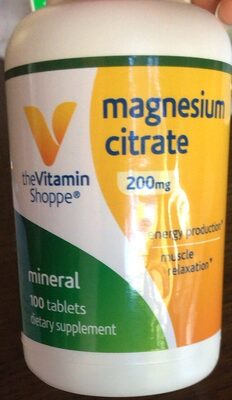
Magnesium citrate
Halal Analysis
We recommend searching for certified Halal alternatives.
Pro Tip
Always double-check the label. Manufacturers change ingredients frequently without notice!