
Is Magnesium Glycinate Halal?
No, standard Magnesium Glycinate supplements are often not Halal. The primary reason is the capsule material itself, which typically contains gelatin derived from animals that may not be slaughtered according to Islamic law. While the magnesium compound itself is chemically pure, the delivery method makes the final product questionable for those adhering to strict Halal dietary guidelines.
The Ingredient Breakdown
When investigating whether a supplement is Halal, we must look beyond the active ingredient and scrutinize the excipients—the inactive substances that form the pill. In the case of the specific formulation analyzed here, the verdict is a clear 'No' due to one major flag.
The primary culprit is the Gelatin Capsule. Gelatin is a protein obtained by boiling skin, tendons, ligaments, and/or bones with water. It is usually derived from pigs or cattle. In the supplement industry, pork gelatin is the most common and cheapest option. Unless the product explicitly states 'Bovine Gelatin (Halal)' or 'Fish Gelatin', it is safest to assume it is pork-derived, rendering it Haram.
Regarding the other ingredients listed—Vegetable Magnesium Stearate, Silica, and Rice Powder—these are generally considered Halal. Vegetable stearate is plant-based (though it can sometimes be derived from beef tallow, it is usually safe). Silica and rice powder are mineral and grain-based fillers. However, the presence of gelatin overrides the Halal status of these other ingredients because the capsule is the vessel you swallow.
Nutritional Value
While the Halal status is the primary concern, it is worth noting the nutritional profile of Magnesium Glycinate. This specific formulation is designed for mineral supplementation, not caloric intake. The Rice Powder acts as a filler, but the amount per capsule is negligible, typically contributing less than 1 calorie.
There is zero sugar and virtually no fat in this specific ingredient list, making it an excellent choice for those on Keto, Paleo, or low-calorie diets. The focus here is entirely on the magnesium content, which supports muscle function, sleep, and anxiety reduction. However, if you are strictly Halal, the nutritional benefits are moot if the source is impermissible.
Frequently Asked Questions
Does Magnesium Glycinate contain dairy or gluten?
Is Magnesium Glycinate good for weight loss?
Where can I buy Magnesium Glycinate?
Is Magnesium Glycinate safe for kids?
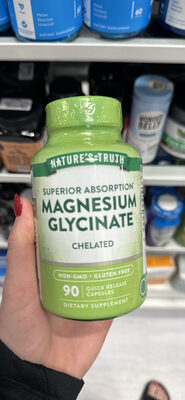
Magnesium Glycinate
Halal Analysis
We recommend searching for certified Halal alternatives.
Pro Tip
Always double-check the label. Manufacturers change ingredients frequently without notice!