
Is Mandarin Hoisin Sauce Halal?
The short answer is MAYBE. Mandarin Hoisin Sauce is free from obvious non-halal ingredients like pork or alcohol, but it contains ambiguous additives that prevent a definitive 'yes.' Specifically, the 'natural flavor' and preservatives require manufacturer verification to ensure they are 100% plant-derived and free from hidden animal sources.
The Ingredient Breakdown
As a food scientist, I look beyond the front label to the chemical composition. Mandarin Hoisin Sauce has a fairly traditional base, but modern additives complicate the halal status. Here is the deep dive into what is actually in this bottle.
The foundation of this sauce is Miso paste (soybeans, rice, salt, saki). Miso is fermented soybean paste and is generally halal. However, the inclusion of saki (rice wine) in the fermentation process is a point of contention. In strict Islamic jurisprudence, alcohol produced for intoxication is haram, but alcohol that is a natural byproduct of fermentation and evaporates during cooking is often debated. Most scholars consider it haram if the alcohol content remains, though it is usually negligible in cooked dishes.
The preservative Sodium Benzoate is a synthetic salt derived from benzoic acid. It is chemically produced and does not contain animal products, making it generally halal compliant. However, the most significant red flag in this ingredient list is Natural Flavor. This is a catch-all term that can hide a multitude of sources. While it often refers to plant extracts, 'natural flavor' in Asian sauces can sometimes contain animal derivatives (like oyster extract or beef fat) to enhance umami. Without a specific breakdown from the manufacturer, we cannot guarantee its source.
Finally, Caramel Color and Beet Powder are used for color. These are plant-based and safe. Xanthan Gum is a bacterial polysaccharide (fermented sugar) used as a thickener, which is also halal. The risk lies entirely in the ambiguous 'natural flavor' and the potential alcohol content in the miso.
Nutritional Value
From a nutritional standpoint, Mandarin Hoisin Sauce is a condiment meant to be used sparingly. It is high in sugar and carbohydrates due to the sugar and wheat flour content. A standard serving contains a significant amount of sodium, largely from the salt and the miso paste.
If you are monitoring your caloric intake or managing blood sugar, this sauce should be treated as a treat rather than a staple. It provides flavor but adds 'empty calories'—energy without significant micronutrients. It fits into a standard diet in small quantities but is not suitable for low-carb or ketogenic diets due to the sugar and flour content.
Frequently Asked Questions
Does Mandarin Hoisin Sauce contain dairy or gluten?
Is Mandarin Hoisin Sauce good for weight loss?
Where can I buy Mandarin Hoisin Sauce?
Is Mandarin Hoisin Sauce safe for kids?

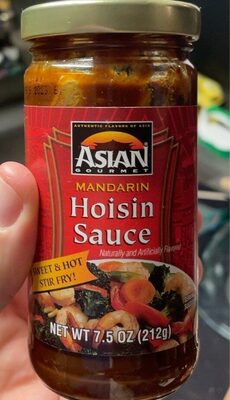
Mandarin Hoisin Sauce
Halal Analysis
We recommend searching for certified Halal alternatives.
Pro Tip
Always double-check the label. Manufacturers change ingredients frequently without notice!