
Is Mango Lemon Probiotic Kombucha Keto?
No, Mango Lemon Probiotic Kombucha is not keto-friendly. While the probiotic profile is impressive, the inclusion of apple juice and fruit purees pushes the sugar content too high for a standard ketogenic diet. If you are strictly tracking your net carbs, this beverage will likely disrupt your ketosis.
The Ingredient Breakdown
As a food scientist, I look at the source of carbohydrates just as much as the total count. This specific Mango Lemon Probiotic Kombucha presents a complex nutritional profile. It starts with a traditional kombucha base of organic green and black tea, which is generally fine for keto. However, the base is fermented with organic cane sugar. While some sugar is consumed by the culture, it is rarely all of it.
The primary issue for keto dieters lies in the post-fermentation additives. The ingredient list includes organic apple juice and organic mango puree. Unlike the trace sugars remaining from the fermentation process, these are added specifically for flavor and sweetness. Apple juice is particularly high in fructose and has a high glycemic impact, making it a red flag for anyone limiting carbohydrates to under 20-50g per day. Additionally, the presence of organic mango puree adds significant natural sugar and texture, further increasing the net carb count.
On the positive side, the drink includes organic L-theanine (great for focus without the jitters) and a robust probiotic blend including Saccharomyces boulardii and Bacillus coagulans. However, these health benefits don't negate the macronutritional reality of the sugar content.
Nutritional Value
When evaluating a drink for the ketogenic diet, we look at the 'Net Carbs' (Total Carbohydrates minus Fiber). While specific label data can vary by batch, a kombucha containing fruit juice and puree typically lands in a range that is too high for strict keto. You are looking at roughly 12-15g of total carbohydrates per serving. Once you subtract the minimal fiber found in the tea and juice, you are left with a net carb count that could consume nearly 50% to 75% of your daily carb allowance on a strict keto diet (20g net carbs).
Furthermore, the calorie count, usually derived from these sugars, will likely be between 60-90 calories per serving. While not high for a standard diet, on keto, calories usually come from fats. Getting this many calories from sugar sources makes it very difficult to hit your fat macro targets for the day. Therefore, strictly from a macronutrient perspective, this beverage does not fit the keto framework.
Frequently Asked Questions
Does Mango Lemon Probiotic Kombucha contain dairy or gluten?
Is Mango Lemon Probiotic Kombucha good for weight loss?
Where can I buy Mango Lemon Probiotic Kombucha?
Is Mango Lemon Probiotic Kombucha safe for kids?
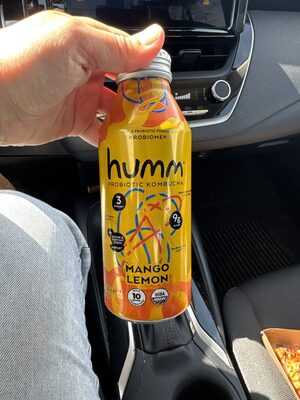
Mango Lemon Probiotic Kombucha
Keto Analysis
We recommend searching for certified Keto alternatives.
Pro Tip
Always double-check the label. Manufacturers change ingredients frequently without notice!