
Is Mangos Keto?
No, Mangos are generally not considered keto-friendly. While the fruit itself is nutritious, its natural sugar content is high enough to disrupt ketosis. This article breaks down the specific ingredients and nutritional data to explain why mango products, including those with added sugars and preservatives, should be avoided on a strict ketogenic diet.
The Ingredient Breakdown
When evaluating a product for the ketogenic diet, the ingredient list is just as important as the nutrition label. Let's look at what goes into mango products and why these components are problematic for ketosis.
The primary ingredient is, of course, Mango. As a fruit, mango is naturally rich in fructose, a type of sugar. On a keto diet, which typically limits daily carb intake to 20-50 grams, the natural sugars in a single serving of mango can consume a significant portion of your allowance, leaving little room for other vegetables and nutrient-dense foods.
Many mango products, especially dried or processed varieties, include added Sugar and powdered sugar. These are red flags for any low-carb diet. Powdered sugar is simply granulated sugar mixed with cornstarch, adding pure carbohydrates with no nutritional benefit. The addition of these sugars drastically increases the total net carb count, making it nearly impossible to fit into a daily keto macro budget without exceeding your limit.
Furthermore, ingredients like Sodium Metabisulfite are often used as a preservative to maintain color and extend shelf life. While this additive doesn't directly impact ketosis, its presence indicates a highly processed product. A clean keto diet prioritizes whole, unprocessed foods, and the need for chemical preservatives suggests the product is far from its natural state.
Nutritional Value
From a nutritional standpoint, mango offers some benefits, but they are overshadowed by its macronutrient profile for keto dieters. A standard cup of mango chunks contains approximately 25-30 grams of total carbohydrates and around 2-3 grams of dietary fiber. This results in roughly 25 grams of net carbs per cup, which is more than an entire day's carb allowance on a strict keto plan.
The calorie count in mango is moderate, but these calories are almost entirely derived from carbohydrates. The ketogenic diet relies on high fat intake for energy, with moderate protein and very low carbs. Mango contains virtually no fat, making it a poor fit for the diet's energy requirements. Consuming high-carb, low-fat foods like mango forces your body out of the fat-burning state of ketosis and back into using glucose for fuel.
Even a small amount of mango can tip the scales. For example, just half a cup of mango could contain over 12 grams of net carbs. When you consider that many keto recipes and meals are carefully portioned to stay under 5-10 grams of carbs per serving, it becomes clear that mango simply doesn't fit within the nutritional framework of a ketogenic lifestyle.
Frequently Asked Questions
Does Mangos contain dairy or gluten?
Is Mangos good for weight loss?
Where can I buy Mangos?
Is Mangos safe for kids?



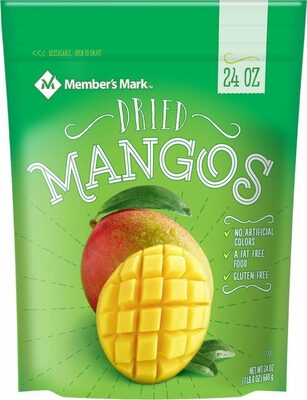
Mangos
Keto Analysis
We recommend searching for certified Keto alternatives.
Pro Tip
Always double-check the label. Manufacturers change ingredients frequently without notice!