
Is Marshmallow fudge cookies Kosher?
The answer to whether Marshmallow fudge cookies are Kosher is MAYBE. While the base ingredients appear harmless, a single specific additive creates a significant dietary restriction. Here is the breakdown of why this popular treat requires a closer look at the label.
The Ingredient Breakdown
When analyzing the ingredient list for Marshmallow fudge cookies, the primary concern for Kosher observers lies in the source of the gelatin. The product contains gelatin, which is a protein derived from the collagen inside animal skin and bones. Unless the gelatin is sourced from fish or certified Kosher beef, it renders the product non-Kosher. In standard commercial cookies, this gelatin is almost exclusively derived from pork or non-Kosher beef, making the item unacceptable under strict dietary laws.
Furthermore, there is a secondary concern regarding the chocolate and vegetable oil shortening. While these are plant-derived, they often undergo processing that involves dairy equipment. The ingredient list notes that the product may contain milk, indicating a high risk of cross-contamination. If the gelatin were miraculously replaced with a plant-based gelling agent, the potential dairy contamination would still require a specific OU (Orthodox Union) dairy certification to be considered Kosher.
Finally, the enzyme modified soy protein and soy lecithin are generally considered Kosher, but the lack of a specific certification symbol on the packaging is the ultimate dealbreaker. Without a reliable Kosher symbol (like a 'K' inside a star or 'OU'), the combination of unverified gelatin and potential dairy cross-contact makes the standard Marshmallow fudge cookie non-Kosher.
Nutritional Value
From a nutritional standpoint, Marshmallow fudge cookies are a high-calorie, high-sugar indulgence. The primary ingredients are sugar and enriched wheat flour, providing quick energy but very little nutritional density. The presence of high fructose corn syrup and corn syrup significantly spikes the glycemic index, making these cookies a poor choice for those managing blood sugar levels.
Regarding fat content, the product relies on palm kernel oil, palm oil, and canola oil. These are processed vegetable oils that contribute to the total fat count without offering beneficial fatty acids. While they provide the desirable 'melt-in-your-mouth' texture associated with marshmallow and fudge, they add empty calories. The product also contains food starch-modified and sodium hexametaphosphate, which are used as texture modifiers but offer zero nutritional benefit.
Overall, these cookies fit into the 'sometimes food' category. They are not a source of fiber, protein, or essential vitamins (despite the 'enriched' flour, which restores only a fraction of nutrients lost during processing). They are best enjoyed in moderation, regardless of dietary restrictions.
Frequently Asked Questions
Does Marshmallow fudge cookies contain dairy or gluten?
Is Marshmallow fudge cookies good for weight loss?
Where can I buy Marshmallow fudge cookies?
Is Marshmallow fudge cookies safe for kids?

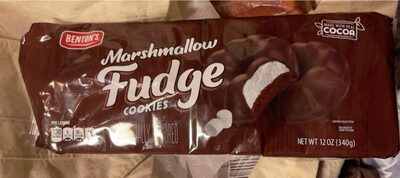
Marshmallow fudge cookies
Kosher Analysis
We recommend searching for certified Kosher alternatives.
Pro Tip
Always double-check the label. Manufacturers change ingredients frequently without notice!