
Is masala moong daal Keto?
No, masala moong daal is not Keto. While the primary ingredient, split mung beans, is a legume that is generally restricted on the Keto diet, this specific product contains corn, making it strictly off-limits for anyone tracking their net carbs. Even without the corn, the carb count from the beans would likely push you out of ketosis.
The Ingredient Breakdown
As a food scientist, I look at ingredients to determine how they interact with specific dietary protocols. When we analyze this masala moong daal, we are looking for hidden sugars, starches, and high-carb fillers. The ingredient list is quite revealing.
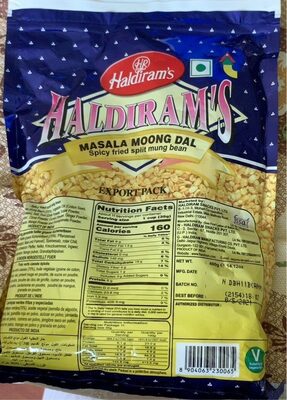
The primary ingredient is Split mung bean (70%). Mung beans are nutritional powerhouses, packed with protein and fiber. However, they are also legumes. On a strict Keto diet, legumes are often avoided because their net carb count is too high. A standard serving of cooked mung beans can easily contain 15-20g of net carbs, which exceeds the daily limit for most Keto dieters (usually 20-50g).
The second major flag in this product is the presence of corn. Corn is a grain, not a vegetable, and it is extremely high in starch. For a Keto diet, corn is a definite 'no' because it spikes blood sugar and insulin levels, effectively taking the body out of a state of ketosis. Even if the mung beans were borderline, the addition of corn solidifies the verdict that this product is not Keto.
Finally, we have the spice blend and citric acid powder. While spices are generally Keto-friendly, we must always watch for sugar in spice mixes. Fortunately, this specific list does not explicitly list sugar, but citric acid is often used to mimic a tangy, sweet flavor profile. The vegetable oil blend (peanut, corn, cotton seed) is acceptable for Keto macros, though some prefer to avoid industrial seed oils for health reasons unrelated to ketosis.
Nutritional Value
From a nutritional standpoint, this product offers a decent balance of macronutrients for a standard diet, but it fails the Keto test. The calories are moderate, derived mostly from the carbohydrates in the mung beans and the fats in the oil.
The critical metric for Keto is net carbohydrates (Total Carbs minus Fiber). Because mung beans are the base, the carbohydrate density is high. If you were to eat a full packet, you would likely consume over 30-40g of carbohydrates, which is the upper limit for an entire day on Keto. Furthermore, the inclusion of corn adds a significant amount of starch, which acts almost like pure sugar in the body regarding insulin response.
In terms of fat, the product does contain oil, which is the primary energy source on Keto. However, the ratio is wrong. The carb-to-fat ratio is inverted; it is high-carb, low-to-moderate fat. To fit a Keto diet, a dish needs to be high-fat, low-carb. Therefore, despite the protein content from the lentils, the nutritional profile does not support ketosis.
Frequently Asked Questions
Does masala moong daal contain dairy or gluten?
Is masala moong daal good for weight loss?
Where can I buy masala moong daal?
Is masala moong daal safe for kids?

masala moong daal
Keto Analysis
We recommend searching for certified Keto alternatives.
Pro Tip
Always double-check the label. Manufacturers change ingredients frequently without notice!