
Is Matcha + Collagen Vegan?
The short answer is MAYBE. While the matcha and sweeteners are plant-based, the core ingredient—collagen—is almost always animal-derived. To understand if this specific product fits a strict vegan lifestyle, we need to look past the marketing and investigate the 'natural flavor' and peptide sources.
The Ingredient Breakdown
When evaluating a product like Matcha + Collagen, the vegan status usually hinges on two main factors: the source of the collagen and the hidden origins of flavorings. Let's look at the specific ingredients list provided.
Collagen Peptides: This is the primary hurdle. Collagen is a structural protein found exclusively in animals, specifically in skin, bones, and connective tissues. While marine collagen (from fish) and bovine collagen (from cows) are common, there is no such thing as plant-derived collagen. Therefore, unless the label explicitly states it is using a lab-created, vegan-synthesized alternative (which is rare and usually labeled as such), standard collagen peptides are not vegan.
Natural Flavor: This is the secondary flag. The term 'natural flavor' is chemically identical to 'artificial flavor' but is derived from plant or animal sources. In a beverage powder, natural flavor could be derived from fruit, spices, or animal products like dairy (milk powder) or meat derivatives to enhance the savory 'umami' profile. Without manufacturer clarification, this ingredient makes the product strictly 'May contain animal derivatives'.
Matcha Green Tea Powder & Stevia: On a positive note, these ingredients are unequivocally vegan. Matcha is simply ground green tea leaves, and Stevia Leaf Extract is a plant-based sweetener. However, they do not outweigh the non-vegan nature of the collagen.
Nutritional Value
From a nutritional standpoint, Matcha + Collagen is designed as a functional supplement rather than a meal replacement. The inclusion of Modified Food Starch suggests a focus on texture and mixability, likely keeping the calorie count relatively low per serving compared to a protein shake with heavy fats.
Because the product relies on Stevia Leaf Extract for sweetness, it likely contains zero to very low added sugars, making it a suitable option for those monitoring their glycemic intake or following a keto diet. The collagen peptides provide a protein boost, typically around 10g per serving, which supports the product's claims regarding skin and joint health. However, consumers should be aware that Silicon Dioxide is used as a flow agent; while safe, it adds no nutritional value and is purely an anti-caking agent.
Frequently Asked Questions
Does Matcha + Collagen contain dairy or gluten?
Is Matcha + Collagen good for weight loss?
Where can I buy Matcha + Collagen?
Is Matcha + Collagen safe for kids?
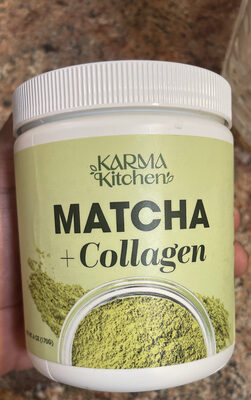
Matcha + Collagen
Vegan Analysis
We recommend searching for certified Vegan alternatives.
Pro Tip
Always double-check the label. Manufacturers change ingredients frequently without notice!