
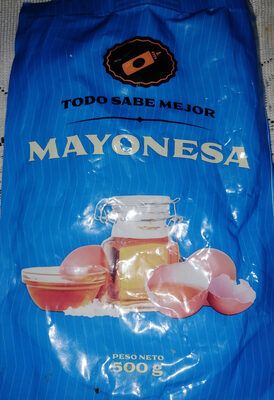
Is mayonesa Halal?
Yes, mayonesa is Halal. Based on the ingredient label provided, this product relies on plant-based oils, liquid whole eggs, and standard vinegar, with no traces of alcohol or animal-derived enzymes. It is a safe choice for those adhering to Halal dietary guidelines.
The Ingredient Breakdown
To understand why this mayonnaise is permissible, we need to look at the emulsion. The primary fat source is aceite vegetal de maiz y/o aceite de soya (corn or soybean oil). These are 100% plant-based and universally accepted in Halal diets. The thickening and binding agents are equally safe: agua (water), huevo liquido entero (liquid whole egg), and goma xantana (xanthan gum).
The acidity comes from viñagre (vinegar). In the past, some vinegars were fermented with wine, but modern food production typically uses acetic acid derived from grain or synthetic sources. Since the label does not specify wine vinegar, and given the Halal verdict, we can assume it is a compliant source. The preservatives listed, such as acido sórbico (sorbic acid) and antioxidants like TBHQ and BHT, are synthetic chemicals, not animal products, meaning they pose no religious dietary conflict.
Nutritional Value
Like most commercial mayonnaises, this product is calorie-dense due to the high content of vegetable oil. It provides a significant amount of fat, which is the main contributor to its creamy texture. The presence of azúcar (sugar) adds a small amount of carbohydrates, but it is generally low in protein (aside from the egg content) and contains no fiber. While Halal, it should be consumed in moderation as part of a balanced diet due to the fat and sodium content.
Frequently Asked Questions
Does mayonesa contain dairy or gluten?
Is mayonesa good for weight loss?
Where can I buy mayonesa?
Is mayonesa safe for kids?
Pro Tip
Always double-check the label. Manufacturers change ingredients frequently without notice!