
Is Meal Replacement Shake Vegan?
No, this specific Meal Replacement Shake is not vegan. Despite the inclusion of plant-based oils and sweeteners, the formula relies heavily on animal-derived ingredients to achieve its nutritional profile. Specifically, the presence of fat-free milk and specific vitamin forms makes this product unsuitable for a strict vegan diet.
The Ingredient Breakdown
When analyzing the ingredient list of this Meal Replacement Shake, the verdict becomes clear very quickly. While the base liquid is water, the very next ingredient is fat free milk. This is the primary disqualifier. Milk is a dairy product derived from cows, making it strictly off-limits for vegans. It also introduces lactose, which many people struggle to digest.
Looking further down the list, we encounter a common hidden non-vegan ingredient: cholecalciferol. This is the scientific name for Vitamin D3. While Vitamin D is essential, the source matters. In most conventional supplements and fortified foods, Vitamin D3 is derived from lanolin, a waxy substance harvested from sheep's wool. While vegan versions of D3 exist (usually derived from lichen), the presence of standard cholecalciferol in a general consumer product like this is almost certainly animal-derived.
There are also several additives that, while technically plant-derived, are often processed in ways that raise questions for strict vegans. Carrageenan, a thickener extracted from red seaweed, is generally considered vegan. However, cellulose gel and cellulose gum are processed plant fibers. The most controversial ingredient here is likely natural and artificial flavor. This vague term can sometimes hide animal-derived compounds (like castoreum from beavers, though rare), but in this context, it is likely just a mix of chemical compounds. Regardless, the milk and D3 are enough to confirm it is not vegan.
Nutritional Value
From a nutritional standpoint, this shake is designed to be a complete meal, meaning it is high in calories and fortified with vitamins. The inclusion of canola oil provides fat, while fructose (fruit sugar) and artificial sweeteners like sucralose and acesulfame potassium provide sweetness without adding complex carbohydrates. This combination creates a sweet taste profile, though the reliance on artificial sweeteners can be a turn-off for those seeking whole-food sources.
The vitamin and mineral list is extensive, covering everything from sodium ascorbate (Vitamin C) to zinc gluconate. This makes the shake a convenient way to hit daily micronutrient targets. However, because it contains fat free milk, it is not suitable for those with lactose intolerance or dairy allergies. For a vegan, the nutritional benefits are overshadowed by the animal-derived sourcing of the protein and vitamins.
Frequently Asked Questions
Does Meal Replacement Shake contain dairy or gluten?
Is Meal Replacement Shake good for weight loss?
Where can I buy Meal Replacement Shake?
Is Meal Replacement Shake safe for kids?
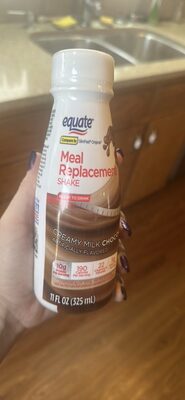
Meal Replacement Shake
Vegan Analysis
We recommend searching for certified Vegan alternatives.
Pro Tip
Always double-check the label. Manufacturers change ingredients frequently without notice!