
Is Melatonin Vegan? A Food Scientist's Ingredient Breakdown
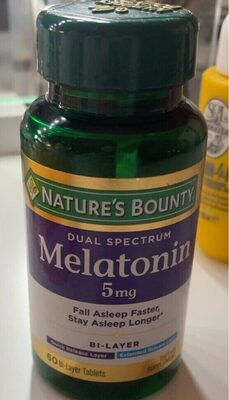
Yes, Melatonin is vegan. Based on a detailed analysis of its common inactive ingredients, this supplement fits a strict plant-based lifestyle. While the hormone melatonin itself is synthetic in supplements, the capsules and fillers used to deliver it are often plant-derived. Let's look at exactly why this specific formulation passes the vegan test.
The Ingredient Breakdown
When determining if a supplement is vegan, we look past the active ingredient and scrutinize the "fillers" that make up the bulk of the pill. In the case of this Melatonin formulation, the ingredients list is surprisingly clean from an animal-product standpoint.
First, we have Dicalcium Phosphate. This is a mineral salt commonly used as a dietary supplement and an anti-caking agent. It is synthesized in a lab or mined from mineral deposits, making it inherently vegan. It serves as a reliable bulking agent that does not rely on animal agriculture.
Next is Vegetable Cellulose. This is the structural component of plant cell walls. Manufacturers derive this from wood pulp or cotton linters to create the capsule shell itself. By explicitly labeling it 'vegetable,' the manufacturer ensures you aren't consuming gelatin, which is derived from animal skin and bones.
We also see Silica and Vegetable Magnesium Stearate. Silica is a naturally occurring mineral found in sand and quartz, used here to prevent the ingredients from sticking together. Magnesium Stearate is a common flow agent. While stearic acid can be found in animal fat, the 'Vegetable' prefix confirms it is sourced from plant oils like palm or cottonseed.
Finally, Triacetin is a food additive derived from glycerin and acetic acid. While glycerin can be animal-sourced, in this context, it is almost certainly vegetable-derived given the overall vegan-friendly profile of the other ingredients. The Vegetable Juice Color simply confirms that no insect-based dyes (like cochineal) were used.
Nutritional Value
From a nutritional standpoint, Melatonin is not a source of calories, fat, or sugar. It is a signaling hormone, not a macronutrient. The inactive ingredients listed—such as Dicalcium Phosphate and Vegetable Cellulose—are used in such minute quantities that they contribute negligible nutritional value to your daily intake.
Because this supplement contains zero carbohydrates and no added sugars, it fits perfectly into low-carb, keto, and diabetic diets. You are taking it for its sleep-regulating properties, not for its caloric content. It is essentially a 'free' food in terms of macronutrients, though it is potent in terms of physiological effect.
Frequently Asked Questions
Does Melatonin contain dairy or gluten?
Is Melatonin good for weight loss?
Where can I buy Melatonin?
Is Melatonin safe for kids?


Pro Tip
Always double-check the label. Manufacturers change ingredients frequently without notice!