
Is Mild cheddar Halal?
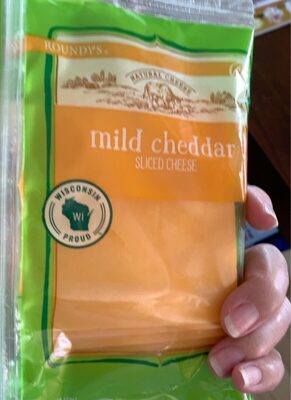
Yes, Mild cheddar is Halal. Based on the standard ingredient list of cultured pasteurized milk, salt, and enzymes, there are no Haram components present. This makes it a safe and suitable choice for those adhering to a Halal diet.
The Ingredient Breakdown
When determining if a cheese is Halal, the primary concern usually lies in the source of the rennet—the enzyme used to coagulate the milk. In the case of Mild cheddar, the ingredients are listed as cultured pasteurized milk, salt, enzymes, and color added. The key term here is enzymes. In most mass-produced mild cheddars found in supermarkets today, these enzymes are microbial (derived from fungi) or vegetable-based, rather than animal-based. Since animal-derived rennet is rarely used in this specific category of cheese, the risk of consuming animal byproducts is virtually non-existent.
Furthermore, the cultured pasteurized milk and salt are naturally Halal ingredients. The 'color added' typically refers to annatto, a natural plant-derived coloring agent, which is also permissible. Therefore, the chemical composition of mild cheddar aligns with Halal dietary laws.
Nutritional Value
From a nutritional standpoint, mild cheddar is a dense source of calories and fat, but it also provides significant protein and calcium. A standard serving contains a moderate amount of saturated fat, which should be monitored if you are managing heart health. However, it is generally very low in carbohydrates and sugar, making it a viable option for low-carb or Keto diets. It fits well within a balanced diet when consumed in moderation, specifically for its high protein content which aids in satiety.
Frequently Asked Questions
Does Mild cheddar contain dairy or gluten?
Is Mild cheddar good for weight loss?
Where can I buy Mild cheddar?
Is Mild cheddar safe for kids?

Pro Tip
Always double-check the label. Manufacturers change ingredients frequently without notice!