
Is Milk Chocolate Halal?
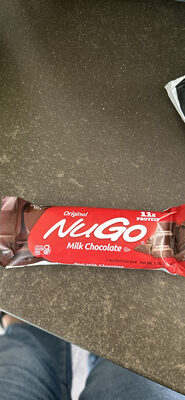
The direct answer to whether Milk Chocolate is halal is MAYBE. While this specific product avoids obvious red flags like pork fat or alcohol, it contains ambiguous ingredients that require manufacturer verification. This investigative analysis breaks down the soy crisps, chocolate blend, and vitamin fortification to help you make an informed decision.
The Ingredient Breakdown
When investigating the halal status of processed chocolate, we must look beyond the surface. The primary ingredients in this product are SOY CRISP (made from soy protein, rice flour, and tapioca starch) and a MILK CHOCOLATE blend. On the surface, these appear to be compliant, as soy and grains are plant-based. However, the complexity lies in the processing agents and flavorings.
The most significant flag in this product is the inclusion of NATURAL FLAVOR. In the food industry, 'natural flavor' is a protected term that can hide a variety of sub-ingredients. While often derived from plant sources, natural flavors can occasionally contain trace amounts of alcohol as a solvent or be derived from non-halal fermented sources. Without specific disclosure from the manufacturer regarding the source of this flavor, we cannot issue a definitive 'Halal' certification.
Other ingredients like SOY LECITHIN and GUM ACACIA are standard emulsifiers and stabilizers. These are almost exclusively plant-derived and are considered halal. Similarly, the vitamin fortification, including VITAMIN B12 (CYANOCOBALAMIN) and CALCIUM CARBONATE, are synthetic or mineral additives that pose no religious dietary conflict. The risk remains strictly with the 'natural flavor' and potential cross-contamination during manufacturing.
Nutritional Value
From a nutritional standpoint, this milk chocolate product is a calorie-dense snack fortified with vitamins. The base consists of cane sugar, oats, and soy protein, providing a mix of simple carbohydrates for quick energy and complex carbohydrates for sustained release. The inclusion of agave syrup and tapioca syrup significantly increases the sugar content, which is something to monitor if you are managing blood sugar levels or caloric intake.
The fat content is primarily derived from the unsweetened chocolate and milk components. While chocolate provides antioxidants (flavanols), the saturated fat and sugar combination makes this a treat rather than a health food. However, the fortification with a full spectrum of B-Vitamins (Thiamin, Riboflavin, Niacin, B6, Folic Acid, B12), Vitamin C, and Vitamin E is a notable benefit. This makes the product a functional food that helps bridge nutritional gaps, though it should still be consumed in moderation within a balanced diet.
Frequently Asked Questions
Does Milk Chocolate contain dairy or gluten?
Is Milk Chocolate good for weight loss?
Where can I buy Milk Chocolate?
Is Milk Chocolate safe for kids?

Milk Chocolate
Halal Analysis
We recommend searching for certified Halal alternatives.
Pro Tip
Always double-check the label. Manufacturers change ingredients frequently without notice!