
Is Mints Halal?
No, this specific formulation of mints is not considered Halal. While the majority of the ingredients are plant-derived and safe, the presence of one specific additive makes it unsuitable for those adhering to strict dietary laws. Here is the detailed breakdown of why this product fails the Halal test and what you should look for instead.
The Ingredient Breakdown
When evaluating a product like mints for Halal compliance, we must look beyond the sugar and flavorings. As a food scientist, I look at the chemical origin of every additive. In this case, the formula is mostly benign, relying on standard bulking agents and acids to create that crisp texture and tart finish. Ingredients like sugar, maltodextrin, and rice starch are standard and generally considered safe and Halal. The acids, citric acid and malic acid, are naturally occurring in fruits and are perfectly acceptable.
However, the scrutiny must turn to the additives used for texture and color. Gum arabic is a plant resin used to stabilize the flavor, and carnauba wax is a vegetable wax from palm leaves that gives the mints their shine. These are non-issues. The problem lies in the coloring agent. While Blue 1 is a synthetic dye that is chemically Halal, the inclusion of carmine is the dealbreaker.
Carmine (also known as cochineal) is a natural red pigment derived from crushing the dried bodies of the cochineal insect. Because it is an animal byproduct from an insect that is not consumed in Islam, it is strictly Haram. Even though the amount used in mints is microscopic, the source of the ingredient disqualifies the entire product from being Halal. If you see carmine listed on the label, the product is not Halal.
Nutritional Value
From a nutritional standpoint, these mints function as a low-calorie breath freshener rather than a source of sustenance. The primary ingredient is sugar (and its derivatives like fructose), which provides the sweet taste but also contributes to the calorie count. While the serving size is small, frequent consumption can add unnecessary sugar to your diet. Maltodextrin and rice starch are used as fillers; they are carbohydrates that have a high glycemic index but are present in negligible amounts here.
There are no significant vitamins or minerals in this product. It is essentially empty calories designed to deliver flavor and freshen breath. For those monitoring their sugar intake or managing diabetes, this product should be treated as a treat rather than a daily staple. It fits within a standard diet only in moderation, but the lack of nutritional density makes it a 'fun' food rather than a 'functional' food.
Frequently Asked Questions
Does Mints contain dairy or gluten?
Is Mints good for weight loss?
Where can I buy Mints?
Is Mints safe for kids?
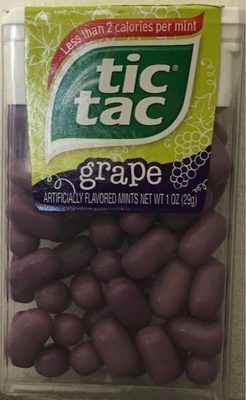
Mints
Halal Analysis
We recommend searching for certified Halal alternatives.
Pro Tip
Always double-check the label. Manufacturers change ingredients frequently without notice!