
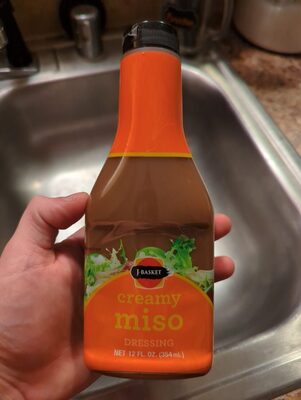
Is Miso dressing creamy style Gluten Free?
Yes, the dressing is gluten-free according to its ingredient list. The miso paste appears rice-based, and there are no wheat, barley, or rye ingredients called out. This article breaks down why that is the case and where cross-contact risks still exist.
The Ingredient Breakdown
The key components listed are water, high fructose corn syrup, soybean oil, miso paste (water, soybean, rice, salt, yeast, koji), distilled vinegar, xanthan gum, and natural flavor. For gluten, the important question is whether any ingredient contains wheat, barley, or rye. The miso paste listing explicitly includes rice and does not list wheat or barley in its base components, which supports a gluten-free interpretation.
Because the miso is described with rice in its formulation, it is typically considered gluten-free when produced with rice-based koji. The other ingredients—water, distilled vinegar, xanthan gum, and natural flavor—are commonly gluten-free. There is no explicit gluten (like wheat, barley, or rye) in the ingredient list itself.
However, cross-contact remains a practical consideration. The product may be manufactured in a facility that handles gluten-containing products, or the natural flavor component could be sourced from ingredients that carry gluten in trace amounts. The ingredient list alone cannot fully guarantee gluten-free status in all manufacturing contexts, so stay mindful if you have celiac disease or severe gluten sensitivity.
In summary, the listed ingredients point toward a gluten-free formulation, with rice-based miso as the gluten-free anchor. No dairy is present, which also aligns with dairy-free dietary needs.
Nutritional Value
The dressing relies on high fructose corn syrup and soybean oil, which contribute sugars and fat to the profile. The miso paste adds savory flavor and salt, which can elevate sodium levels. While there is no exact nutrition panel provided here, these components typically yield a moderate to high calorie and fat contribution per serving relative to some lighter dressings.
From a diet perspective, the presence of added sugar and calories from fat means portion control matters if you’re monitoring weight or sugar intake. If you’re watching sodium, the salty nature of miso can also be a consideration, especially when paired with other salty foods.
Overall, the product is gluten-free and dairy-free based on its ingredients, making it suitable for those diets. As always, check your individual dietary goals and serving sizes to determine fit.
Frequently Asked Questions
Does Miso dressing creamy style contain dairy or gluten?
Is Miso dressing creamy style good for weight loss?
Where can I buy Miso dressing creamy style?
Is Miso dressing creamy style safe for kids?
Pro Tip
Always double-check the label. Manufacturers change ingredients frequently without notice!