
Is Moo Tubes Halal?
The short answer is: **Likely Yes, but with a minor caveat.** Moo Tubes are a dairy-based snack that appears to be free of alcohol, pork, and other obvious non-Halal ingredients. However, the specific source of the 'natural flavor' is not publicly disclosed, which creates a small area of uncertainty for strict Halal observers. Generally, these are considered a safe choice.
The Ingredient Breakdown
As a food scientist, I look at ingredients to determine safety and compliance. When analyzing Moo Tubes, the base ingredients are straightforward. The primary component is Cultured Pasteurized Grade A Low-Fat Milk. This is a standard dairy product. In Islam, milk from permissible animals is inherently Halal, provided it is processed without contamination. Since this is the first ingredient, the foundation is solid.
The sweeteners and texturizers used here are common in the food industry and are universally Halal. Ingredients like sugar, fructose, modified food starch (usually corn or potato), and gums like pectin and carrageenan are plant-derived or mineral-based. There is no gelatin (a common pork-derived ingredient) in this list, which is a major plus for Halal compliance.
The coloring agents are also safe. Beta-carotene and fruit juice color are derived from plants (carrots and fruits), making them permissible. The preservatives, specifically potassium sorbate and citric acid, are synthetic or fermented and do not pose a Halal issue.
The 'Natural Flavor' Flag: The only ingredient that requires a 'maybe' verdict is natural flavor. In the food industry, 'natural flavor' can technically contain trace amounts of alcohol as a solvent, or be derived from non-Halal sources (though rare for fruit flavors). Without a specific statement from the manufacturer (Yoplait/Kraft Heinz) confirming the source is plant-based, strict Halal diets often flag this ingredient as a point of caution.
Nutritional Value
From a nutritional standpoint, Moo Tubes are designed as a convenient, kid-friendly snack. A standard tube is low in fat (hence the 'low-fat milk' designation) and provides a quick burst of energy. The primary macronutrients are carbohydrates from sugar and fructose, and protein from the milk.
While they do contain added vitamins like Vitamin A Palmitate and Vitamin D3 (which are essential for growth), the sugar content is something to monitor. For individuals managing their weight or blood sugar, these should be treated as an occasional treat rather than a staple food. They fit well into a diet that allows for processed dairy snacks, but they are not a 'health food' due to the added sweeteners.
Frequently Asked Questions
Does Moo Tubes contain dairy or gluten?
Is Moo Tubes good for weight loss?
Where can I buy Moo Tubes?
Is Moo Tubes safe for kids?
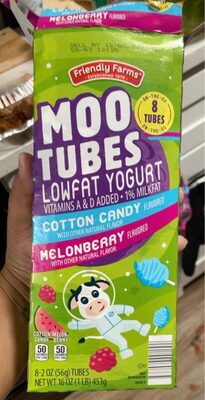
Moo Tubes
Halal Analysis
We recommend searching for certified Halal alternatives.
Pro Tip
Always double-check the label. Manufacturers change ingredients frequently without notice!