
Is Mountain Dew Halal?
The short answer is: **Maybe**. Mountain Dew does not contain obvious animal by-products like gelatin or alcohol, but the ambiguity lies in the 'natural flavor' and artificial coloring. For a casual Muslim consumer, it is likely acceptable, but for those adhering to strict Halal standards, the lack of transparency on the 'natural flavor' source makes it questionable.
The Ingredient Breakdown
When analyzing the Halal status of a product like Mountain Dew, we have to look past the sugar and carbonation. As a food scientist, I look at the functional additives. Mountain Dew's ingredient list is surprisingly complex for a citrus soda.
The primary ingredients—Carbonated Water, High Fructose Corn Syrup, and Concentrated Orange Juice—are unequivocally Halal. The controversy begins with the additives used to create that signature neon-green color and shelf-stable taste.
Yellow 5 (Tartrazine): This is the primary flag for many Halal observers. While Yellow 5 is chemically synthesized and not derived from animals, the debate centers on the testing methods. In some regions, food colorings are tested on animals to ensure safety. If animal testing is involved, strict Halal certification bodies may reject the ingredient. However, most scholars agree that synthetic colors are permissible as the consumption of the chemical itself does not involve Haram substances.
Natural Flavor: This is the most ambiguous ingredient on the label. 'Natural Flavor' can be derived from plant or animal sources. In a citrus soda, it is most likely derived from orange or lemon oil (plant-based). However, manufacturers sometimes use animal-derived compounds to round out flavor profiles (for example, castoreum, derived from beavers, though rare). Without specific disclosure from PepsiCo, we cannot guarantee the source is 100% plant-based.
Sodium Benzoate & Gum Arabic: These are preservatives and stabilizers. Gum Arabic is a natural gum harvested from the acacia tree and is completely Halal. Sodium Benzoate is a synthetic salt and is permissible.
Nutritional Value
While the Halal debate focuses on ingredients, the nutritional profile of Mountain Dew is a separate concern. A standard 12oz can contains approximately 46 grams of sugar and 170 calories. This exceeds the American Heart Association's recommended daily limit for added sugar (36g for men, 25g for women) in a single serving.
From a dietary standpoint, Mountain Dew offers zero nutritional value—no vitamins, minerals, fiber, or protein. It is purely a source of energy (calories) and hydration. It fits into a diet only as an occasional treat, not a daily beverage.
Frequently Asked Questions
Does Mountain Dew contain dairy or gluten?
Is Mountain Dew good for weight loss?
Where can I buy Mountain Dew?
Is Mountain Dew safe for kids?
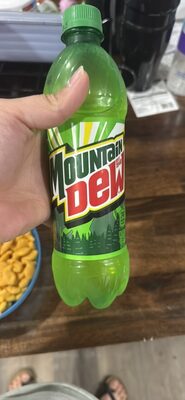
Mountain Dew
Halal Analysis
We recommend searching for certified Halal alternatives.
Pro Tip
Always double-check the label. Manufacturers change ingredients frequently without notice!