
Is Moutarde de Dijon Halal?
Yes, Moutarde de Dijon is generally considered Halal. Based on the traditional ingredients—mustard seeds, water, vinegar, and salt—it contains no alcohol, pork derivatives, or other prohibited substances. This classic French condiment is a safe and flavorful addition to a Halal diet.
The Ingredient Breakdown
When determining if a condiment is Halal, we must look beyond the label name and into the chemistry of the ingredients. Traditional Moutarde de Dijon is remarkably simple, which is why it is usually safe for consumption. The classic recipe relies on brown or black mustard seeds, which provide the signature heat, and white wine or vinegar for acidity.
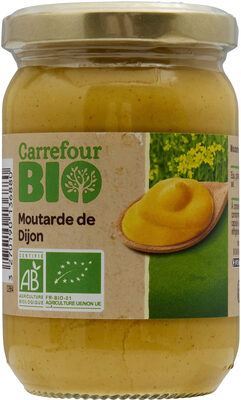
In the specific formulation provided, the ingredients are Eau (water), graines de moutarde bio (organic mustard seeds), vinaigre d'alcool bio (organic alcohol vinegar), and sel (salt). The key point of concern for many consumers is the term 'alcohol' in the vinegar. However, in the production of vinegar, an alcoholic fermentation occurs where bacteria convert ethanol into acetic acid. By the time the product reaches the shelf, the ethanol has been metabolized, leaving only acetic acid and water. This process renders the alcohol content negligible (often 0.0% by volume), making it permissible in Islamic jurisprudence for consumption. There are no hidden animal-based emulsifiers or colorants in this specific recipe.
Nutritional Value
Moutarde de Dijon is a low-calorie condiment, making it an excellent choice for those monitoring their energy intake. A typical serving contains very few calories, as the primary base is water and mustard seeds. Unlike creamy mayonnaise or sugary ketchup, Dijon mustard derives its flavor from mustard oils and vinegar rather than fats or sugars.
Regarding macronutrients, it is very low in fat and carbohydrates. The sugar content is usually negligible, often less than 1 gram per serving, which is beneficial for those following low-carb or ketogenic diets. However, the sodium content can be moderate to high depending on the brand, as salt is a primary preservative and flavor enhancer. While it fits well into a balanced diet, individuals with hypertension should monitor their total intake. Overall, it is a healthy, flavor-dense addition that adds minimal caloric load to a meal.
Frequently Asked Questions
Does Moutarde de Dijon contain dairy or gluten?
Is Moutarde de Dijon good for weight loss?
Where can I buy Moutarde de Dijon?
Is Moutarde de Dijon safe for kids?
Pro Tip
Always double-check the label. Manufacturers change ingredients frequently without notice!