
Is Muffin Gluten Free?
No, this specific muffin product is not gluten-free. If you are strictly avoiding gluten due to Celiac disease or a wheat allergy, you should avoid this product. It contains multiple gluten-derived ingredients, including wheat flour and wheat gluten.
The Ingredient Breakdown
When analyzing whether a baked good is safe for a gluten-free diet, we must look beyond just the primary flour. In this case, the verdict is a hard no because gluten is present in several forms. The first red flag is the enriched flour. While the label specifies 'wheat flour,' it also lists malted barley flour. Barley is one of the three primary gluten-containing grains (along with wheat and rye), and malted barley flour is often used as a flavor enhancer and yeast activator, making it unsafe for those with gluten sensitivities.
Furthermore, the ingredient list explicitly includes wheat gluten. This is often added to bread products to improve texture and chewiness, but it essentially concentrates the gluten protein. Even if the flour were swapped for a gluten-free alternative, the addition of pure wheat gluten would render the product unsafe. Other flagged ingredients include modified wheat starch and wheat protein isolate, both of which are derived from wheat. The manufacturer even includes a blanket statement at the end of the ingredient list: 'contains wheat,' confirming the presence of this allergen.
Nutritional Value
While this muffin is not suitable for a gluten-free diet, it is important to understand its nutritional profile. Like many commercial bread products, this muffin is likely calorie-dense, primarily due to the presence of hydrogenated soybean oil and refined carbohydrates. The inclusion of sugar and fumaric acid (often used for tartness and preservation) contributes to the overall carbohydrate count without providing significant fiber or micronutrients.
From a health perspective, the use of powdered cellulose and oat fiber indicates an attempt to boost fiber content, which is beneficial for digestion. However, the presence of preservatives like potassium sorbate and dough conditioners like ascorbic acid suggests a highly processed product. For those monitoring their intake of processed foods or added sugars, this muffin should be consumed sparingly as a treat rather than a daily staple.
Frequently Asked Questions
Does Muffin contain dairy or gluten?
Is Muffin good for weight loss?
Where can I buy Muffin?
Is Muffin safe for kids?
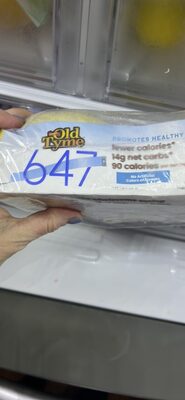
Muffin
Gluten Free Analysis
We recommend searching for certified Gluten Free alternatives.
Pro Tip
Always double-check the label. Manufacturers change ingredients frequently without notice!