
Is Multigrain Baguette Gluten Free?
No, the Multigrain Baguette is absolutely not gluten-free. Despite the healthy-sounding 'multigrain' label, this product is built on a foundation of wheat, barley, and rye flour. If you are managing Celiac disease or a gluten sensitivity, this bread poses a significant risk to your health.
The Ingredient Breakdown
As a food scientist, I look past the marketing claims and go straight to the ingredient label. When we analyze this Multigrain Baguette, the verdict is immediate: it is a gluten-heavy product. The very first ingredient listed is Enriched Flour, which is explicitly defined as Wheat Flour. This is the primary structural component of the bread, meaning the majority of the product is derived from wheat.
The trouble doesn't stop there. The ingredient list also includes Rye Flour and Barley Flour. These are two of the primary grains that contain gluten proteins. For someone with Celiac disease, consuming rye or barley is just as dangerous as consuming wheat. Furthermore, the list includes Wheat Gluten itself—this is often added to bread to increase the chewiness and rise, essentially adding concentrated gluten to an already gluten-rich product.
We also see ingredients like Barley Flakes and Rye Malt. Malt is almost always derived from barley and is a common flavoring agent in breads. Even the Rye Sour contributes to the gluten content. Finally, while Oats and Oat Bran are naturally gluten-free, they are frequently cross-contaminated with wheat during harvesting and processing unless certified gluten-free. Given the sheer volume of gluten-containing ingredients here, this product is unsafe for a gluten-free diet.
Nutritional Value
While this baguette is a poor choice for a gluten-free diet, it does offer some nutritional benefits typical of whole grains. It contains a variety of grains like flaxseed, millet, and rye, which contribute dietary fiber. Fiber is essential for digestive health and can help regulate blood sugar levels, though the effect here is dampened by the high glycemic load of the refined wheat flour.
However, the ingredient list reveals a surprising amount of added sugars. We see Sucrose, Molasses, Honey, Dextrose, and Dates. While these add palatability, they also increase the calorie count and the glycemic index. Additionally, there are several dough conditioners and emulsifiers like Sodium Stearoyl Lactylate and Propylene Glycol Alginate. These are standard in industrial baking to ensure texture and shelf life, but they don't add nutritional value. For a standard 1/6th slice serving, you are looking at roughly 120-140 calories with moderate sodium, but the sugar content is the hidden nutritional downside.
Frequently Asked Questions
Does Multigrain Baguette contain dairy or gluten?
Is Multigrain Baguette good for weight loss?
Where can I buy Multigrain Baguette?
Is Multigrain Baguette safe for kids?

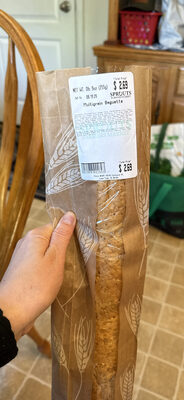
Multigrain Baguette
Gluten Free Analysis
We recommend searching for certified Gluten Free alternatives.
Pro Tip
Always double-check the label. Manufacturers change ingredients frequently without notice!