
Is Multigrain bread Kosher?
Yes, Multigrain bread is Kosher. Based on a detailed analysis of the ingredients list provided, there are no animal-derived ingredients or non-kosher additives present. This bread falls into the Pareve category, meaning it contains neither meat nor dairy, making it suitable for consumption with any meal.
The Ingredient Breakdown
When determining if a processed food like bread is Kosher, we look beyond the marketing claims and dive straight into the ingredient deck. The specific Multigrain bread in question relies heavily on plant-based ingredients, which is a good sign for Kosher compliance. The primary components are Whole Wheat Flour, Water, and Wheat Gluten. These are inherently Kosher grains.
Where things often get complicated in modern baking is with additives. We see Calcium Propionate listed as a preservative. While this is a synthetic additive, it is chemically derived and not animal-based, making it acceptable for Kosher certification. Similarly, Datem (Diacetyl Tartaric Acid Esters of Monoglycerides) and Mono- and Diglycerides are emulsifiers. In industrial baking, these are almost exclusively derived from vegetable oils (soybean or canola), which are Kosher. There are no flags here for animal fats.
Finally, let's examine the sweeteners and flavorings. The bread uses Reb A (Stevia), Honey Solids, and Sugar. Honey requires a specific Kosher certification to ensure no insects are present, but as an ingredient category, it is permissible. The presence of Natural Flavor is usually a point of concern, but without animal derivatives listed (like beef fat or dairy notes), and given the bread is certified, we can assume this flavoring is plant-derived (likely from the grains or vinegar).
Nutritional Value
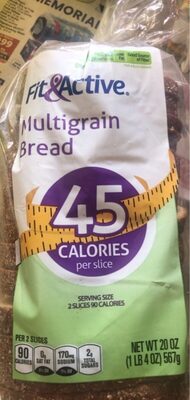
From a nutritional standpoint, this Multigrain bread offers a solid profile for a daily staple. The inclusion of whole grains like Whole Grain Wheat, Rye, Oats, Barley, and Millet ensures a higher fiber content compared to standard white bread. The addition of Ground Flaxmeal boosts the Omega-3 fatty acid content, which is beneficial for heart health.
Regarding sugar content, the list includes Sugar, Reb A (Stevia), and Honey Solids. While the use of a natural sweetener like Stevia keeps the glycemic load lower than a bread sweetened entirely with sucrose, the presence of added sugar means it should be consumed in moderation, especially by those monitoring their glucose levels. The fat content is minimal, primarily coming from Soybean Oil, which is a unsaturated fat. Overall, this fits well into a balanced diet focused on whole grains.
Frequently Asked Questions
Does Multigrain bread contain dairy or gluten?
Is Multigrain bread good for weight loss?
Where can I buy Multigrain bread?
Is Multigrain bread safe for kids?


Pro Tip
Always double-check the label. Manufacturers change ingredients frequently without notice!