
Is Multigrain Crackers Gluten Free?
The direct answer is NO. Despite the inclusion of nutrient-dense grains like quinoa and amaranth, Multigrain Crackers are strictly not gluten-free. The presence of whole wheat flour, rye, and malt syrup makes them unsafe for anyone with celiac disease or gluten sensitivity.
The Ingredient Breakdown
As a food scientist, looking at the label of these Multigrain Crackers tells a clear story. While the marketing highlights a 'Ten Grain Blend,' the foundational ingredients are dominated by gluten-containing grains. The first ingredient listed is WHOLE WHEAT FLOUR, which is the primary structural component of the cracker and is a major source of gluten. Following that, ENRICHED FLOUR (which is simply wheat flour with vitamins added) reinforces that wheat is the main base.
The 'Ten Grain Blend' is where things get interesting but still dangerous for a gluten-free diet. This blend explicitly includes RYE, BARLEY, and TRITICALE. Rye and barley are distinct gluten-containing grains (different from wheat) that trigger reactions in celiacs. Triticale is a wheat-rye hybrid, meaning it contains gluten proteins from both parents. Furthermore, the inclusion of MALT SYRUP and WHEAT MEAL adds insult to injury. Malt syrup is almost always derived from barley, adding a distinct flavor but also a guaranteed source of gluten. Even the MALTED WHEAT in the blend is wheat treated to germinate, which concentrates the gluten content.
It is a common misconception that 'multigrain' implies safety. In reality, a multigrain product simply means it uses more than one type of grain. Unless those grains are specifically certified gluten-free (like certified GF oats or corn), they are likely to contain gluten. In this specific product, the 'healthy' sounding grains like QUINOA and AMARANTH are present, but they are in the minority. They are overshadowed by the heavy load of wheat, rye, and barley. Therefore, this product is a high-risk item for anyone avoiding gluten.
Nutritional Value
From a nutritional standpoint, these crackers offer a mixed bag. On the positive side, the inclusion of whole grains like purple wheat, flax seeds, and wild rice contributes dietary fiber and some micronutrients. The flax seeds specifically provide a boost of alpha-linolenic acid (ALA), a type of omega-3 fatty acid. However, the carbohydrate content is significant, driven largely by refined flours. The presence of CANE SUGAR and MALT SYRUP adds to the total carbohydrate count and glycemic load, meaning these crackers may spike blood sugar faster than a pure whole-grain product might. The fat source is HIGH OLEIC SUNFLOWER OIL, which is a monounsaturated fat often considered heart-healthier than saturated fats found in butter-based crackers. However, the calorie density is standard for a processed cracker. If you are strictly looking at macronutrients, these provide quick energy but lack the protein and fat balance to be truly satiating on their own. They fit into a standard diet as a snack, but they are not a 'health food' by modern standards due to the refined flour and added sugar.
Frequently Asked Questions
Does Multigrain Crackers contain dairy or gluten?
Is Multigrain Crackers good for weight loss?
Where can I buy Multigrain Crackers?
Is Multigrain Crackers safe for kids?
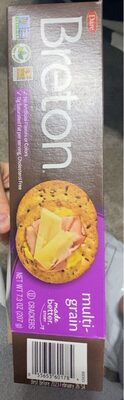
Multigrain Crackers
Gluten Free Analysis
We recommend searching for certified Gluten Free alternatives.
Pro Tip
Always double-check the label. Manufacturers change ingredients frequently without notice!