
Is Multigrain Rolls Halal?
The answer to whether Multigrain Rolls are Halal is MAYBE. While the ingredient list avoids obvious Haram offenders like pork or alcohol, it contains ambiguous additives like 'Natural Flavor' and 'Cultured Wheat Flour' that require further investigation by the manufacturer. This article breaks down exactly why these specific rolls sit in the gray area of Halal certification.
The Ingredient Breakdown
When determining if a baked good like Multigrain Rolls is Halal, we look beyond the obvious grains and flours. The complexity lies in the processing agents and flavor enhancers. Let's analyze the specific ingredients that raise flags for a Halal diet.
The primary concern in this product is the Natural Flavor. In the food industry, 'Natural Flavor' can be derived from plant or animal sources. While it is most often plant-based in bread products, without explicit certification, there is a small risk it could contain animal-derived enzymes or extracts. Similarly, Cultured Wheat Flour is a preservative made by fermenting wheat with specific bacteria. While the bacteria are generally safe, the fermentation process can sometimes utilize mediums that are not verified Halal, though this is rare.
Regarding alcohol and enzymes: the Dough Conditioner contains Enzymes and Ascorbic Acid. Enzymes in baking are typically derived from fungal or bacterial sources, which are Halal, but porcine (pig) sources are occasionally used in the industry. The Vegetable Oil blend (Palm, Soy, Canola) is plant-based and safe. The Sugar and Honey Granules are also Halal, provided the sugar is not processed with bone char (a common issue with white sugar, but less so with brown sugar or honey granules).
Finally, the allergens listed—Wheat, Eggs, Milk, and Soy—are all Halal ingredients. However, the 'May contain' warning indicates shared equipment. This does not affect the Halal status of the ingredients themselves but is important for those with strict dietary restrictions or allergies.
Nutritional Value
From a nutritional standpoint, these Multigrain Rolls are a dense source of energy. The Enriched Wheat Flour provides carbohydrates for immediate fuel, while the inclusion of Stone Ground Whole Wheat Flour and various Soaked Grains (millet, flax, sunflower seeds) adds fiber and essential fatty acids. This combination helps regulate blood sugar spikes compared to white bread.
The Vegetable Oil content contributes to the fat calories, though the blend is relatively balanced. The presence of Sugar and Liquid Sugar does increase the glycemic load, meaning these rolls should be consumed in moderation if you are managing weight or insulin levels. Overall, the multigrain aspect offers a superior nutritional profile to standard white rolls, providing minerals like magnesium and zinc from the seeds and whole grains.
Frequently Asked Questions
Does Multigrain Rolls contain dairy or gluten?
Is Multigrain Rolls good for weight loss?
Where can I buy Multigrain Rolls?
Is Multigrain Rolls safe for kids?

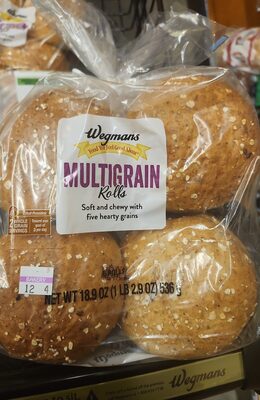
Multigrain Rolls
Halal Analysis
We recommend searching for certified Halal alternatives.
Pro Tip
Always double-check the label. Manufacturers change ingredients frequently without notice!