
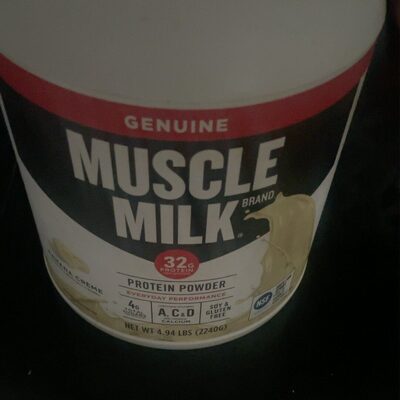
Is Muscle milk Halal?
Yes, Muscle Milk is considered Halal. After a thorough investigation of the ingredients list, we found no animal-derived components other than milk, and no alcohol or other forbidden substances. This verdict applies to the standard varieties of Muscle Milk, making it a suitable protein supplement for those adhering to Halal dietary guidelines.
The Ingredient Breakdown
As a food scientist, I scrutinize ingredients for hidden animal derivatives, alcohol, and cross-contamination risks. Muscle Milk's formula is surprisingly straightforward regarding Halal compliance. The primary ingredients are dairy-based proteins, which are inherently Halal (provided the animal is not a pig, which it isn't). Let's look at the key components:
The protein sources—Whey Protein Concentrate, Calcium Sodium Caseinate, and Milk Protein Isolate—are derived exclusively from milk. These are excellent for muscle recovery and pose no Halal issues. The fats used, such as Canola Oil and Sunflower Oil, are plant-based and perfectly acceptable.
Many consumers worry about sweeteners or flavorings. Muscle Milk uses Sucralose and Acesulfame Potassium. These are synthetic sweeteners, not derived from animals or fermented alcohol, so they are Halal. The 'Natural and Artificial Flavors' are also chemical compounds, not animal extracts. Finally, the vitamins listed, such as Cholecalciferol (Vitamin D), are typically synthesized from lanolin (sheep wool) or yeast, neither of which are prohibited in Islam. There are no flags here.
Nutritional Value
While Muscle Milk is Halal, it's also important to understand what you're consuming nutritionally. A standard serving of Muscle Milk (usually one scoop or bottle) is calorie-dense, often ranging between 150 to 330 calories depending on the specific product line. This is largely due to the added fats like Canola Oil and MCTs (Medium Chain Triglycerides), which are designed to provide sustained energy.
Regarding macronutrients, it offers a solid protein punch (usually 20-30g), which is great for post-workout recovery. However, it does contain added sugars or sugar alcohols depending on the version. The standard powder often contains Maltodextrin and artificial sweeteners, which keep the sugar content low but may cause digestive bloating in sensitive individuals. It fits well into a high-protein diet, but if you are strictly counting calories or watching insulin spikes, you should measure your portions carefully.
Frequently Asked Questions
Does Muscle milk contain dairy or gluten?
Is Muscle milk good for weight loss?
Where can I buy Muscle milk?
Is Muscle milk safe for kids?
Pro Tip
Always double-check the label. Manufacturers change ingredients frequently without notice!