
Is muscle milk Keto?
No, Muscle Milk is not considered strictly Keto-friendly. While it is low in sugar, the presence of corn-based ingredients and artificial sweeteners places it outside the strict guidelines of a ketogenic diet. Here is the deep dive into why this popular protein shake fails the keto test.
The Ingredient Breakdown
When evaluating a product for the ketogenic diet, we look beyond just the macronutrients and scrutinize the source of those nutrients. Muscle Milk relies heavily on a blend of milk derivatives and industrial additives to achieve its texture and protein content.
The primary protein sources are calcium caseinate and milk protein isolate. While these are excellent for muscle recovery, they are dairy-derived and can cause inflammation in those sensitive to lactose or casein. However, the real keto-breakers are found further down the list.
The most significant red flag is soluble corn fiber. As the name suggests, this is derived from corn. While fiber is generally good, corn-based fibers can spike blood glucose in some individuals and are not considered 'clean' keto. Furthermore, the inclusion of cellulose gel and cellulose gum indicates the use of thickening agents derived from wood pulp or cotton linters to mimic the mouthfeel of real milk.
Finally, the product uses a combination of artificial sweeteners: sucralose and acesulfame potassium. While these keep the sugar count low, many keto purists avoid them due to their potential impact on gut health and insulin response.
Nutritional Value
Looking at the nutrition label, Muscle Milk presents a mixed bag. A standard serving contains roughly 150 calories, with a significant portion coming from the high oleic sunflower oil. This is a source of fat, which is generally good for keto, but it is often processed using high heat and solvents.
The carbohydrate count sits around 6-8 grams per serving. While this is low enough for a standard low-carb diet, it is a bit high for a strict keto dieter who aims to stay under 20 grams of net carbs per day. The soluble corn fiber contributes to these carb numbers, and because it is a processed fiber, it doesn't offer the same satiety as vegetable fiber.
Regarding micronutrients, Muscle Milk is fortified with vitamins A and D, which is a plus. However, the sodium content is elevated due to sodium polyphosphates and sodium citrate, used to stabilize the emulsion. This can lead to water retention, masking weight loss progress.
Frequently Asked Questions
Does muscle milk contain dairy or gluten?
Is muscle milk good for weight loss?
Where can I buy muscle milk?
Is muscle milk safe for kids?


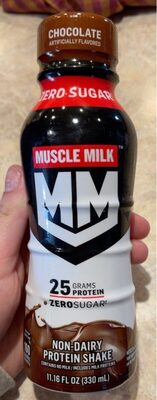
muscle milk
Keto Analysis
We recommend searching for certified Keto alternatives.
Pro Tip
Always double-check the label. Manufacturers change ingredients frequently without notice!