
Is Nilla Wafers Halal?
The direct answer to whether Nilla Wafers are Halal is MAYBE. While the vanilla wafer cookies do not contain obvious Haram ingredients like pork or alcohol, they do contain 'natural flavor' which can sometimes derive from non-Halal sources. This article investigates the ingredients to help you make an informed decision.
The Ingredient Breakdown
When determining if a processed snack like Nilla Wafers is Halal, we must look beyond the main ingredients and inspect the additives. The primary ingredients are relatively safe, but there are specific flags that require attention.
First, let's look at the base ingredients: Unbleached enriched flour (wheat), sugar, and canola oil. Wheat and plant-based oils are inherently Halal. The palm oil used is also plant-derived, though strict Halal consumers sometimes verify the processing methods to ensure no contact with non-Halal fats.
The dairy and egg components, specifically whey (from milk) and eggs, are generally considered Halal provided the animals are not fed prohibited diets. However, the presence of high fructose corn syrup is often a point of debate regarding health, not Halal status, as it is a plant-derived sweetener.
The most significant flag in this product is the natural flavor. In the food industry, 'natural flavor' can legally contain trace amounts of carrier agents or extraction solvents. While vanilla flavor is typically plant-derived, the term is broad. If the natural flavor contains vanilla extract, it must be verified that the alcohol content is negligible or evaporated, or that the extract is made with Halal-certified glycerin.
Finally, the mono- and diglycerides and soy lecithin are emulsifiers. These are typically derived from soy or vegetable oils, making them Halal. However, if mono- and diglycerides were derived from animal fat, they would be a concern. In US manufacturing, they are almost exclusively vegetable-based, but verification is key.
Nutritional Value
From a nutritional standpoint, Nilla Wafers are a calorie-dense snack with a high glycemic index. A standard serving contains approximately 140 calories, primarily derived from carbohydrates (roughly 21g per serving).
The main ingredients contributing to the calorie count are sugar and high fructose corn syrup. These appear high on the ingredient list, meaning the wafer is essentially a sweet treat rather than a nutrient-dense food. The fat content comes from canola oil and palm oil, totaling around 4g of fat per serving.
While the product is fat-free in the technical sense (less than 0.5g per serving according to some labels), it is not a 'healthy' snack for weight loss due to the high sugar and refined flour content. It provides quick energy but lacks significant fiber or protein to keep you full.
Frequently Asked Questions
Does Nilla Wafers contain dairy or gluten?
Is Nilla Wafers good for weight loss?
Where can I buy Nilla Wafers?
Is Nilla Wafers safe for kids?
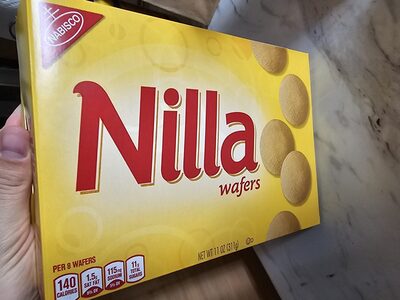
Nilla Wafers
Halal Analysis
We recommend searching for certified Halal alternatives.
Pro Tip
Always double-check the label. Manufacturers change ingredients frequently without notice!